

A Startup Will Pay You to Film Yourself Doing Chores So Robots Can Learn Them
Memories.ai lends you a tiny clip-on camera and pays for footage of cooking, laundry and repairs that passes review. The fine print says the company keeps it all.
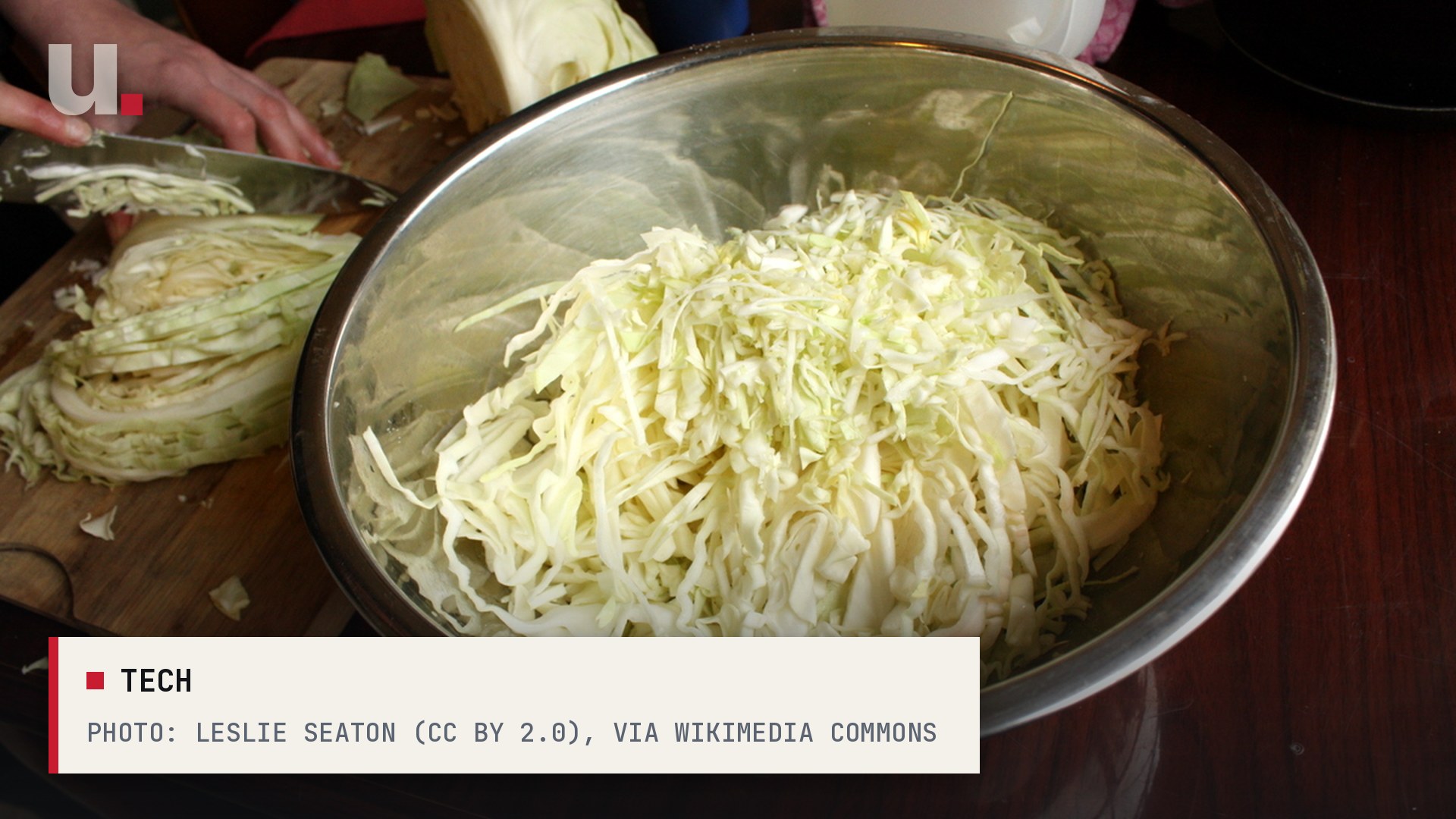
Chopping onions, folding towels and fixing a flat bike tire have never paid much. A San Francisco startup wants to change that, at least a little, by paying people to strap on a tiny camera and record themselves doing those jobs so robots can study how humans actually use their hands.
The company is Memories.ai, and on Tuesday it launched Memories Upload, a gig app that hands out filming assignments and pays for footage that passes review. The idea is simple. Robots are getting smarter brains, but they still don’t know how a person grips a cup, steadies a cutting board or threads a screw. Someone has to show them, and the cheapest teacher is a regular person going about a regular day.
Shawn Shen on 𝕏 — Nov. 10, 2026: “Robots need internet-scale first-person video of how people get things done.”
— @shawnshenjx View on 𝕏
A camera the size of a key fob
Contributors record with the LUCI Pin, a camera the company built itself. It weighs under 45 grams and snaps onto a headband, cap, neck mount, chest harness or wrist strap, so the lens can sit at eye level or right on the hands. Two pins can be paired for a 3D-style view that helps a robot judge depth, Fortune reported.
The company’s site lists sample jobs like cooking dinner, prepping vegetables, folding a load of laundry, fixing a bike and doing the weekly grocery run. One example shows 10 minutes of vegetable prep paying $6. Another shows 42 qualified minutes earning 8.40 in the app’s coins. Memories.ai says those are examples, and that rates vary by task and quality grade.
The camera has a physical privacy switch and a recording light so the people around the wearer can tell when it’s on. Fortune reported that wearers, and coworkers who regularly show up on camera, must sign consent forms first. Before footage reaches customers, the company says software blurs other people’s faces and hides badges, screens and license plates, and staff spot-check a sample from every batch.
Read the fine print before you clip it on
This is not a paycheck for your time. It is a sale. According to the app’s own explanation, you earn coins only for “qualified minutes,” meaning footage that matches the brief. Idle, blurry or off-task video doesn’t count, and a recording can be partly accepted.
A close read of the terms by Magica turned up more. Contributors put down a refundable deposit to borrow the camera, and damage or loss can come out of their earnings. They are independent contractors who cover their own ingredients, tools, travel and taxes. Taking a task guarantees no payment.
The bigger point is ownership. Under the terms, the payment is the full price for the video and the rights to it. There is no royalty and no revenue share. Memories.ai owns the footage worldwide and can use it for its own robot work or sell stripped-of-identity versions to other companies.
None of that is unusual for gig work. It just means the person who teaches a robot to fold laundry gets paid once, while the robot can fold laundry forever.
Why robot labs want your kitchen
The internet is stuffed with text and video, which is why chatbots got good so fast. But most video is filmed from across the room. Robots need the view from behind the eyes, where you can see exactly which finger touches what and when. That kind of footage barely exists at scale.
Memories.ai says its network recorded more than 1 million hours of first-person video in its first month of testing, from more than 5,000 cameras worldwide, and it wants 10 million hours by March 2027. Those are the company’s own numbers, and recorded hours are not the same as hours that pass review.
Raw footage is also only half the product. The company runs every clip through its own SI model that marks each step down to the millisecond, labels the action and tracks what each hand is touching, according to The AI Journal. A robot lab can then search for, say, every clip of a right hand twisting a lid, instead of watching hours of tape.
Shen and co-founder Ben Zhou are former Meta researchers. The company has raised $16 million, including an $8 million seed round in July 2025 led by Susa Ventures, with Samsung Next among the investors, and an $8 million extension this June, Fortune reported.
The jobs question
There is an uncomfortable twist here. Some of the people best suited to this work are the same people whose jobs robots are being trained to do: line cooks, stockers, repair techs. Fortune noted the footage covers food prep, shelf stocking and equipment repair.
For now, the trade is modest pocket money for chores you were going to do anyway. Whether that feels like a side hustle or like training your replacement probably depends on what you do for a living. Either way, the next generation of household robots is going to learn to cook in somebody’s real kitchen, and that somebody might as well get paid for it.
Sources
- Fortune — Exclusive: Startup Memories.ai launches platform for gig workers to make POV videos to train robots
- Memories.ai — Memories Upload — Real-world data for physical AI
- Memories.ai — Upload App
- Magica — Memories Upload buys human video for robot training
- The AI Journal — Memories.ai is solving robotics’ biggest bottleneck by paying people to film their chores
- Shawn Shen on 𝕏 — Today we launch #MemoriesUpload