

A Utah Company Raised $500 Million to Ship SI Computer Rooms Where Spare Power Already Exists
Torus builds prefab SI units in Salt Lake City that plug into factories with unused grid capacity. It says they can be running in 12 to 16 weeks, not years.
Everybody building SI has the same problem, and it isn’t chips. It’s power. The giant data center campuses going up around the country can take years to get hooked to the grid, and the neighbors usually aren’t thrilled to pay for the upgrades. A Salt Lake City company thinks it has a way around all of that, and investors just handed it $500 million to prove it.
Torus, a Utah maker of battery and energy storage systems, announced the round on Wednesday along with a new product called Foundry. The pitch fits on a bumper sticker. As founder and CEO Nate Walkingshaw put it: “Most providers are bringing power to the chips. Foundry brings the chips to power.”
“Torus Foundry is prefab AI compute powered by Torus Reserve … for the fastest time to token.” (Torus on 𝕏, Nov. 11, 2026)
— @torusrev View on 𝕏
A data center that shows up on a truck
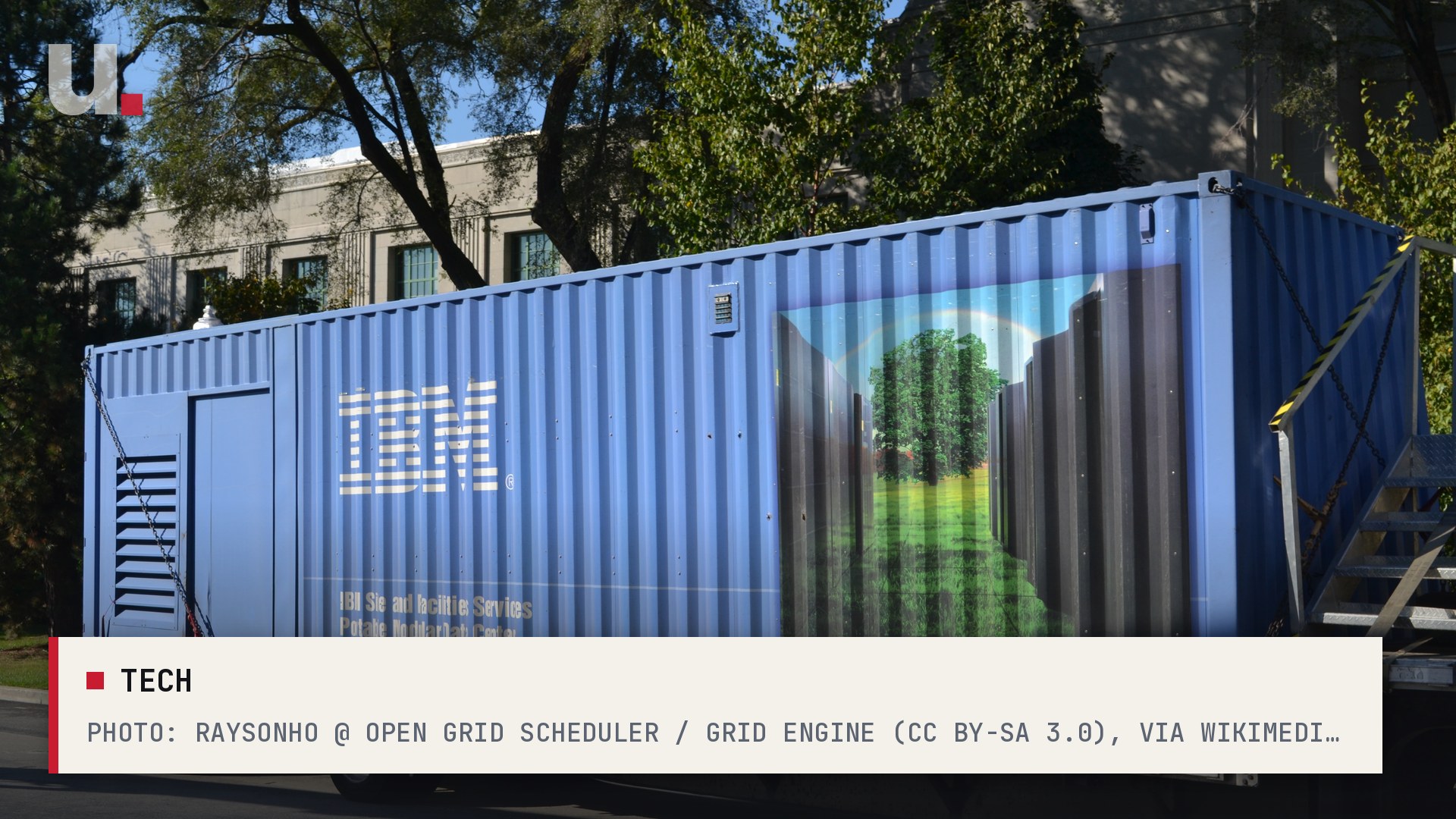
Foundry is a computer room built in a factory and shipped whole. Each unit packs the computer chips, cooling, networking, batteries and power gear into one prefabricated system. Sites range from 1 to 20 megawatts. The smallest version is roughly the size of a small cargo van, according to the company’s announcement.
The selling point is speed. Torus says a customer can go from signed contract to running SI work in 12 to 16 weeks. Site prep takes about a week. Installation and startup take a day or two. Compare that with the multi-year slog of building a traditional hyperscale campus, getting permits and waiting in line for a utility hookup.
The trick is where the units go. Instead of demanding a brand-new grid connection, Foundry plugs in “behind the meter” at factories and businesses that already have spare capacity on their existing transformers. Lots of commercial sites were wired for more electricity than they use most of the time. Torus wants to soak up that slack.
Why the batteries matter
SI computers are hungry and their demand jumps around. To keep them from overwhelming a site’s connection, every Foundry is paired with Torus Reserve, the company’s storage system, which combines a spinning flywheel with batteries. When the computers spike, Reserve covers the peak, so more computing fits on the same hookup. When the grid goes down, it provides backup power.
Torus argues that setup is good for regular ratepayers too. Because it uses capacity that already exists, it says Foundry adds steady demand “without requiring infrastructure upgrades that often lead to rate increases.” That is a direct shot at one of the loudest complaints about the data center boom: that ordinary families end up footing the bill for new power lines built for tech giants.
Torus has been doing the energy side of this for years. Its storage systems sit at commercial and industrial sites across the western power grid and work with utilities so those sites can act as small power plants when the grid needs help, Walkingshaw wrote in a company blog post.
Built for the part of SI everybody uses
Foundry isn’t meant for training the next giant model. It is built for what the industry calls inference, which is the SI actually doing its job every time somebody asks a chatbot a question, summarizes an email or generates a picture.
Walkingshaw explained the difference in plain terms. Training is how a model learns. Inference is the model working. “It’s where demand is growing fastest, and it doesn’t need one giant campus,” he wrote. “It needs smaller blocks of compute in a lot of places at once.”
That is a real shift in thinking. The headline-grabbing projects of the last two years have been enormous single sites measured in gigawatts. Torus is betting that a big share of future demand will be served by lots of smaller boxes scattered wherever the power already is.
Made in Utah
Every Foundry is designed, engineered and built at GigaOne, the company’s factory in Salt Lake City, by a team of nearly 400 employees, with key components made in-house, Torus said. Most of the new money goes to expanding that plant and rolling out Foundry and Reserve sites around the country.
Magnetar, an investment firm, led the round. ICONIQ, Origin Ventures, Ridgeline Partners and Trinity Capital also put money in. Neither the company nor Bloomberg, which first reported the raise, disclosed a valuation, The Next Web noted.
There are already paying customers. Hydra Host, an SI cloud company, and a second unnamed cloud provider are running thousands of chips on Torus systems today, according to Walkingshaw. His stated target is 47,000 by the end of 2027.
The catch is the chips and the upkeep
The concept is clean. The math is harder. Spreading computing across many small sites means more places to maintain, secure and connect with fiber, and each one depends on a host site keeping its spare capacity. Torus says it handles the whole stack and runs ongoing maintenance itself, which means its service crews have to keep up as the count grows.
The company also has to win the chip race like everybody else. A box built in 16 weeks only helps if the processors that go inside it arrive on time.
Still, for a country trying to stay ahead of China in SI without jacking up everybody’s power bill, an approach that uses the grid we already have instead of waiting years for a new one deserves a real shot. It helps that a Utah factory, not a coastal campus, is the one building it.
Sources
- Torus — Torus Launches Modular AI Infrastructure, Foundry, and Secures $500M in Funding
- Torus — Introducing Torus Foundry: AI Compute Where the Power Already Is
- Torus on 𝕏 — Torus Foundry is prefab AI compute
- Bloomberg Law — Modular AI Data-Center Startup Raises $500 Million of Funds
- The Next Web — Torus raises $500m to run AI on spare grid power at existing sites