

CENTCOM Opens Iron Gate on Iran’s Land Routes After Blocking $25 Billion at Sea
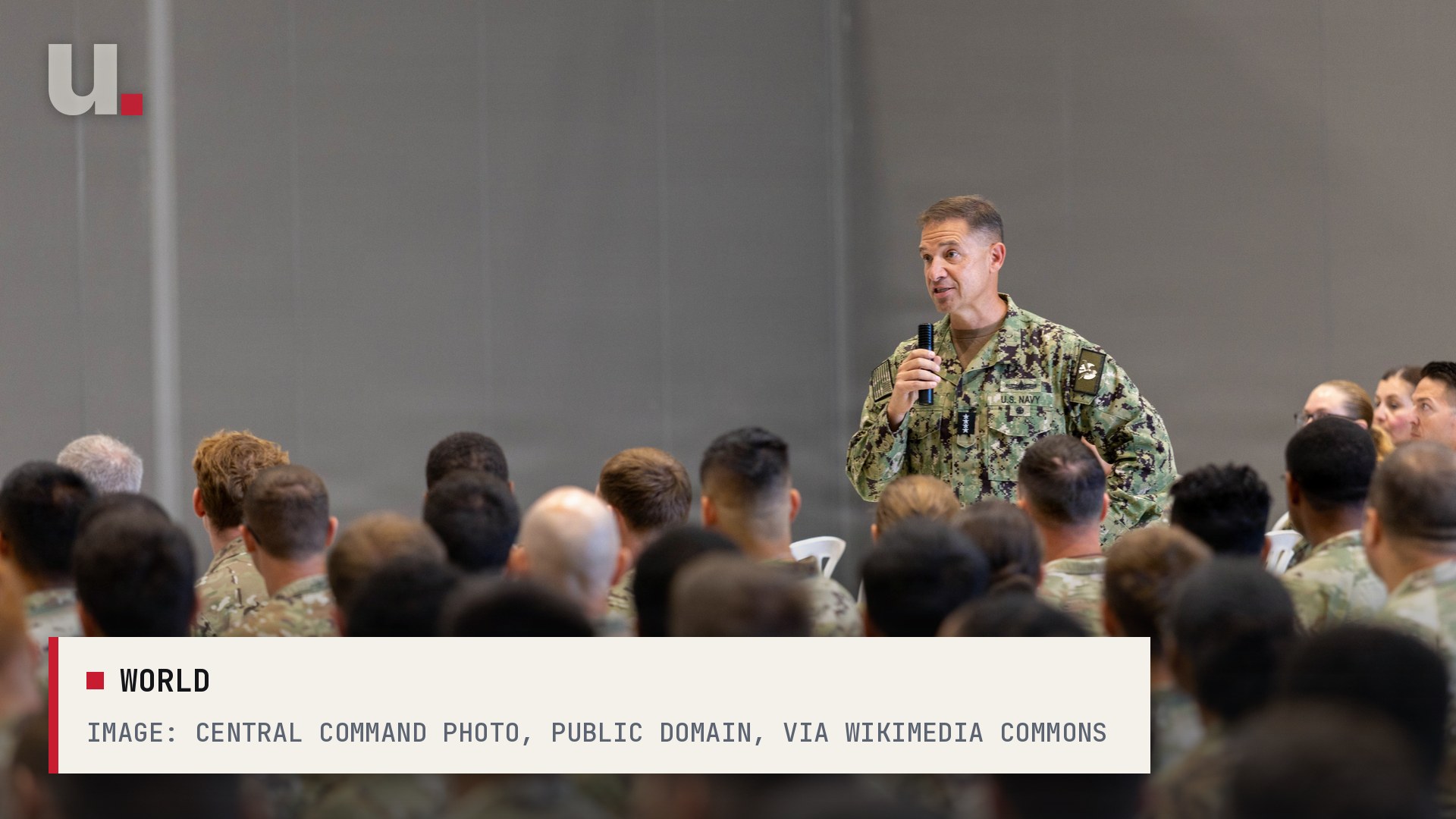
Adm. Brad Cooper stood up a Tampa team of about 20 to choke Iran’s land borders and the Caspian Sea after the naval blockade froze more than $25 billion in crude exports.
The sea blockade was never the whole story. On Saturday, U.S. Central Command said its commander has opened a second front against the pipelines Iran still uses on land.
Adm. Brad Cooper “directed the establishment of a task force that will support ongoing U.S. government efforts to prevent Iran from using ground routes to transport advanced weapons and other materials,” CENTCOM said in a Nov. 7 public release. The unit is called Task Force Iron Gate.
What Iron Gate is
Iron Gate is not a new combat brigade. It is “an internal staff of approximately 20 civilian and military personnel based in Tampa, Florida,” the same headquarters city as CENTCOM itself. Cooper’s brief for the team: coordinate with other U.S. agencies to stop “the movement of advanced weapons systems, dual-use technologies, sanctioned materials, and illegal revenue streams across Iran’s land borders and the Caspian Sea.”
That last clause matters. A naval picket can sit off a port. It cannot, by itself, stop trucks rolling over a land border or cargo moving across the Caspian.
The $25 billion sea precedent
CENTCOM framed Iron Gate as the land sequel to a blockade it says is already working at sea. “The establishment of Task Force Iron Gate reinforces the success of our ironclad blockade against Iran at sea,” Cooper said in the release. “Strengthening CENTCOM’s collaboration with U.S. interagency partners will further constrain Iran’s ability to finance terrorism, rebuild weapons factories, and replenish their military.”
The command’s own number: “In recent months, America’s naval blockade has prevented Iran from exporting more than $25 billion in crude oil.” The same statement says “strict enforcement at sea continues against all ships entering or departing Iranian ports.”
Why a staff of 20
Twenty people cannot seal every Iranian border crossing. What they can do is sit inside CENTCOM, fuse intelligence, and push Treasury, State, Justice, and the intelligence community onto the same land-and-Caspian problem the Navy has been working at sea. CENTCOM’s release does not name those agencies. It does say the mission is interagency coordination — the soft machinery that turns a sea blockade into a whole-of-government squeeze.
The name is not subtle. Iron Gate is meant to sound like a closed door on the routes Iran still uses when the Strait is watched.
What CENTCOM did not claim
The release does not announce new strikes, new boarding authorities, or a troop surge. It does not publish a map of the land corridors. It does not say how many shipments have already been stopped on the ground. What it does say — on the record, with Cooper’s name on it — is that the commander who owns the Iran theater has decided the sea fight is not enough, and that the next pressure point is the land border and the Caspian Sea.
That is the story. After a blockade CENTCOM says has already cost Iran more than $25 billion in oil exports, Task Force Iron Gate is the land lock.
Sources
- U.S. Central Command — CENTCOM Launches Task Force to Disrupt Iranian Ground Transit Routes Supporting Illegal Shipments (Nov. 7, 2026)
- U.S. Central Command (photo) — Adm. Brad Cooper meets U.S. troops in Israel, June 27, 2026 (DVIDS / Wikimedia Commons, public domain)
- CNBC — Lead: U.S. looks to restrict Iranian land commerce with new task force (Nov. 7, 2026)
- The Washington Post — Lead: U.S. military seeks to disrupt Iran’s land routes, expanding on naval blockade (Nov. 7, 2026)