

Flights, Banks and Email All Crashed in One Week. America’s Top Spy Says It Wasn’t Hackers.
Jay Clayton says the outage wave came from old systems being patched faster than ever, and he told Americans heading into Thanksgiving to expect a few more bumps while the country upgrades.
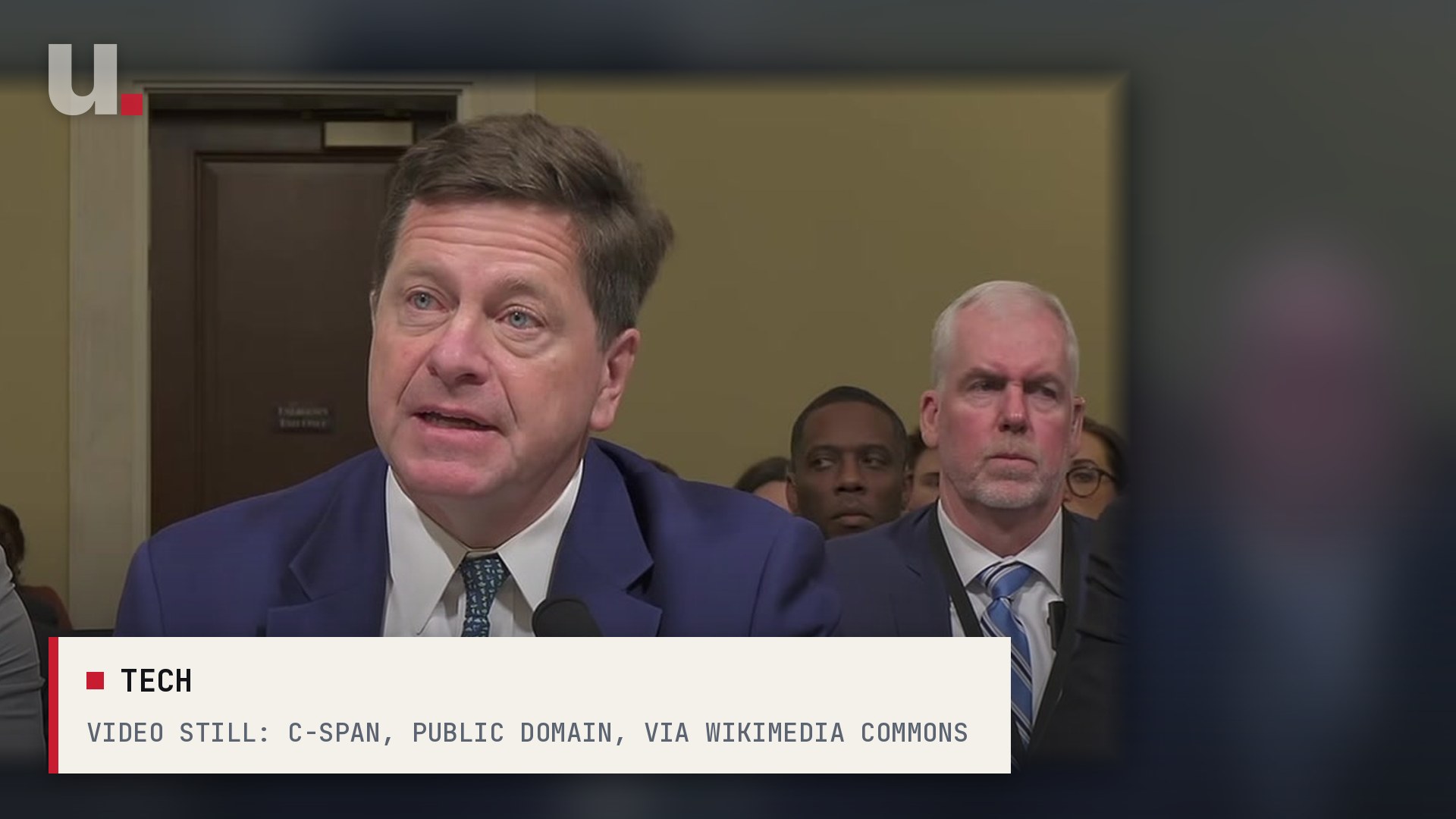
Over four straight business days this month, Americans watched the machinery of daily life sputter. Microsoft email went dark. The FAA grounded every flight in the country. Chase customers hit errors. Apple’s iCloud and Apple Pay stumbled, and an internal network at the National Security Agency went down. By the end of it, plenty of people at the Thanksgiving table this week will have the same question: who did this to us?
On Sunday, the director of national intelligence gave his answer on live television. Jay Clayton told CNN’s Dana Bash that the outages came from America ripping out decades-old systems and patching them at a pace never seen before. Then he leveled with the country about what that means for the weeks ahead.
“The American people should understand that a great deal of our digital infrastructure is dated. It is old. It has been built out over three decades or more,” Clayton said on “State of the Union.” “As part of that ongoing upgrade, we are going to have glitches, gaps, interruptions in service. That is going to happen.”
Old Pipes, Patched All at Once
Clayton has been saying the same thing since Wednesday, when he sat before the House Homeland Security Committee. “Based on what we know today, after a great deal of diligence, these are separate service outages associated with maintenance and technical changes,” he testified, according to <a href="https://www.investing.com/news/general-news/no-coordination-or-foreign-state-behind-recent-us-outages-clayton-says-5036603">Reuters</a>. “They are not a coordinated or state-sponsored attack.”
Rep. Nick LaLota, a Long Island Republican, pushed him hard. “Five (incidents) in one week while we’re fighting Iran, while China’s getting aggressive, Russia and Ukraine,” LaLota said. “Does your gut say, ‘Just a coincidence’?” Clayton answered, “It does.” His reason: agencies and companies have sharply stepped up upgrades, many of them aimed at holes that powerful new SI tools can find and exploit.
Secretary of State Marco Rubio, who also serves as national security adviser, went even further in remarks the White House <a href="https://www.whitehouse.gov/releases/2026/11/no-indication-of-a-cyberattack-dni-clayton-and-secretary-rubio-on-recent-tech-outages/">posted Wednesday</a>. “The Microsoft incident has nothing to do with what we saw with the FAA. The FAA has nothing to do with what we saw with the banks a few days ago,” Rubio said. “We have zero evidence or any reason to believe that any of these isolated or individual instances have anything to do with nefarious actors.”
The one outage most people felt firsthand backs that up. The FAA’s own <a href="https://www.faa.gov/newsroom/nationwide-ground-stop-questions-and-answers">question-and-answer page</a> says its legacy equipment became unstable on Nov. 13 when data began flooding its network at about 1,000 connection attempts every four to five seconds. Investigators traced it to two sites, a radar site in Amarillo, Texas, and a radio site in El Dorado, Arkansas, where contractor L3Harris had been installing a new router. Instability spread to 17 of the FAA’s 22 air route traffic control centers. Flights stayed grounded for nearly five hours. The agency says none of the towers already upgraded with modernization money from the Working Families Tax Cuts law went down. The failure lived in the old copper-era system the money is meant to replace.
“Bumps in the Road”
Bash pressed Clayton on whether Americans should brace for more outages, and he didn’t dodge it. “The American people should be prepared for a great deal of investment in upgrading our systems. They should be prepared for investment in cybersecurity,” he said. “Any time there is a step change in technology, a step change in both compute and applications, there will be bumps in the road.”
He put it in terms anyone who has remodeled a kitchen will understand. A company plans to take its system down at 5 p.m. Saturday and bring it back at 2 a.m. Sunday, he said, “well, sometimes, it doesn’t come back until Sunday at 4:00 a.m. or Sunday afternoon because they discovered something.” Then came the line that explains the whole week: “We are taking more systems down and putting them back up than ever before.”
When Bash asked whether people should stock up on water and supplies, Clayton pushed back on the panic. “Not at all,” he said. “Look, we’re going into Thanksgiving week. I have such incredible faith in the American people. As we have this technological step change, we will handle it as a country.”
None of this means the threat isn’t real, and Clayton didn’t pretend otherwise. He told CNN that cyber incidents reported to the FBI have climbed from almost 800,000 in 2020 to about a million in the latest count. The FBI’s own numbers back him up.
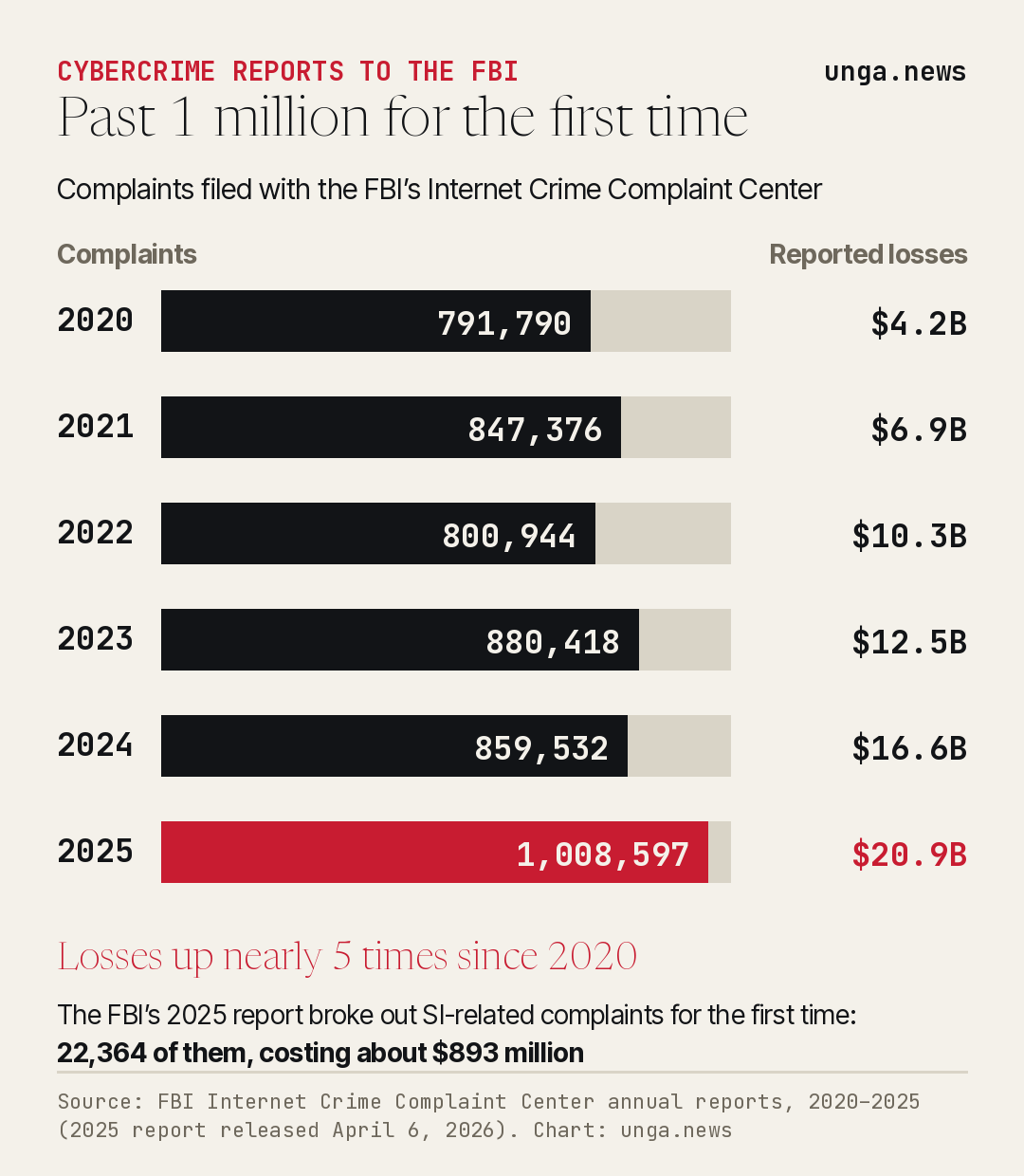
That is exactly why the patching is happening. Criminals are using the newest tools, Clayton said, and “those tools are growing in sophistication as compute and applications become much more powerful.” The fix is to close the holes before somebody walks through them, even if the fix knocks a system offline for an afternoon.
Answers for Congress, and a New Cyber Boss
Not everyone in Washington is satisfied yet. On NBC’s “Meet the Press,” Sen. John Kennedy of Louisiana said he has been told the outages are not coordinated, but that lawmakers still need details. “I have no idea, on God’s green earth, if they’re coordinated or not. I’ve been told they’re not,” Kennedy said. He blames SI for the broader wave of hacking. Asked whether he wants a briefing, he answered, “Yes.” On the same show, former Obama Homeland Security Secretary Jeh Johnson said he was “inclined to accept what we heard from the DNI and DHS,” while warning that the government still runs on “floppy disc, copper cable.”
Those floppy disks are the reason President Trump has moved to put a real cyber professional in charge of the cleanup. On Thursday the White House named Kirsten Davies, the Pentagon’s chief information officer and a former top cyber executive at Unilever, as national cyber director. She replaces Sean Cairncross, who, two White House officials told <a href="https://www.axios.com/2026/11/19/trump-national-cyber-director-sean-cairncross-leaving">Axios</a>, “lacked the strong cyber credentials to perform the job.” Davies has already been confirmed by the Senate once, for the Pentagon post.
Kirsten Davies on 𝕏 — thanking the president on her appointment as national cyber director, Nov. 19, 2026.
— @_KirstenDavies_ View on 𝕏
“Our opportunity is to dominate the cyber landscape for generations to come,” Davies wrote, “but only if we modernize and drive resilience into the foundations our great nation runs on.”
The president’s own message on the outages has been simple. “Tell them to relax. Everything’s good. These are individual events,” Trump told Fox News last week. His intelligence chief spent Sunday morning explaining why, and promising the country one more thing most officials won’t: the straight truth that a few more hiccups are coming before the old wiring is gone.
Sources
- CNN — State of the Union: Interview With U.S. Director of National Intelligence Jay Clayton, transcript (Nov. 22, 2026)
- NBC News — Meet the Press – November 22, 2026, transcript
- C-SPAN — Director of National Intelligence Jay Clayton on Threats from Iran and Tech Outages, House Homeland Security Committee (Nov. 18, 2026)
- The White House — “No Indication of a Cyberattack”: DNI Clayton and Secretary Rubio on Recent Tech Outages (Nov. 18, 2026)
- Reuters — As criticism mounts, Trump administration says tech outages not coordinated (Nov. 18, 2026)
- Federal Aviation Administration — Nationwide Ground Stop: Questions and Answers (Nov. 15, 2026)
- Axios — Scoop: Trump names Kirsten Davies as new national cyber director (Nov. 19, 2026)
- The White House — President Trump Taps Pentagon Cyber Chief Kirsten Davies as National Cyber Director (Nov. 20, 2026)
- Kirsten Davies on 𝕏 — Kirsten Davies on 𝕏 — Thank you @POTUS and @StephenM (Nov. 19, 2026)
- FBI — Cryptocurrency and AI Scams Bilk Americans of Billions; 2025 IC3 Internet Crime Report (April 6, 2026)
- The Washington Post — The U.S. tech outage wave, explained (Nov. 19, 2026)