

Florida Licenses Will Soon Show Citizenship, and DeSantis Says Illegal Aliens Can’t Get One at All
Under the Florida SAVE Act, new and renewed driver’s licenses will mark U.S. citizenship and voter rolls will be checked against REAL ID data, closing the door on noncitizen voting.
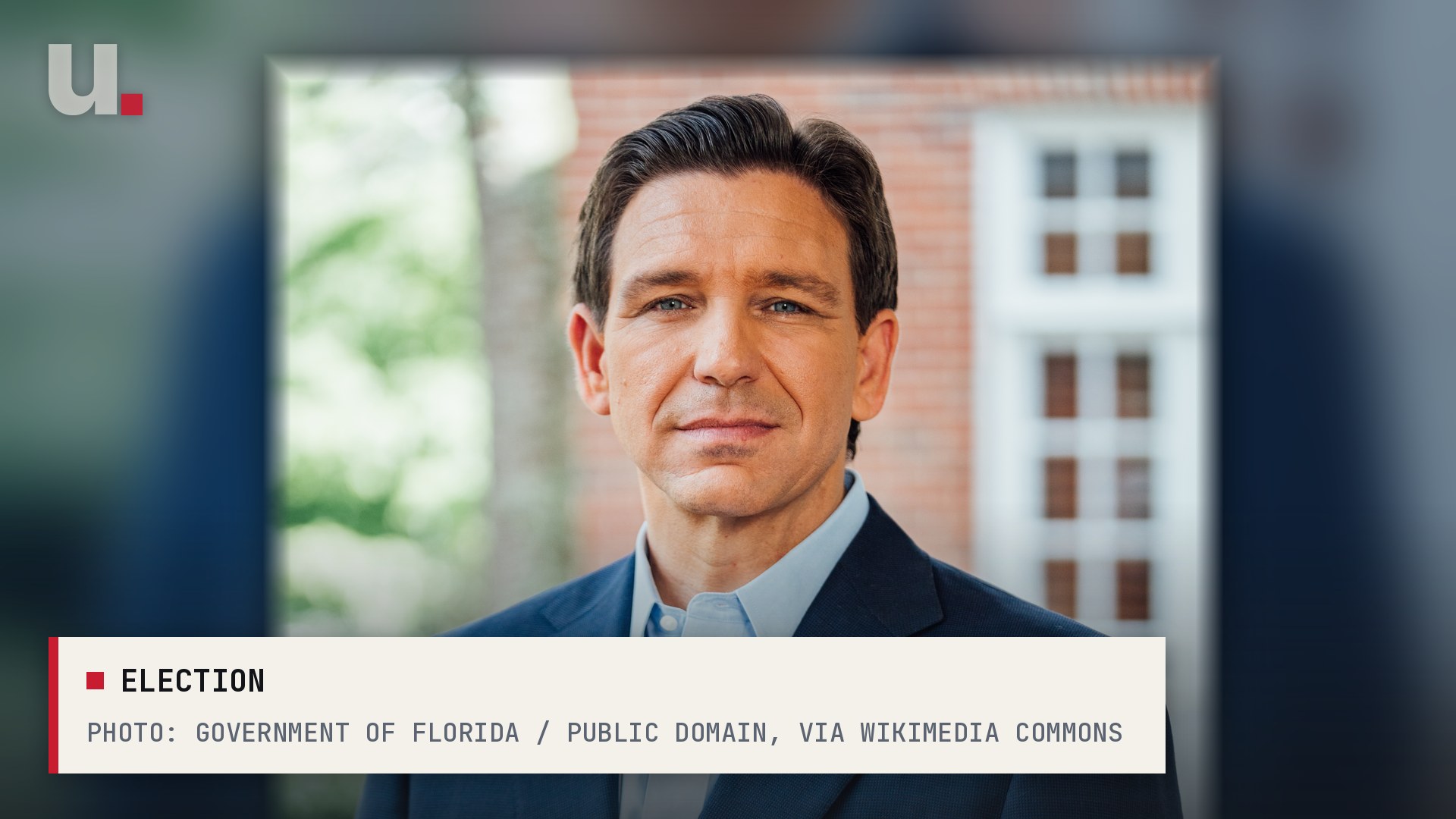
Florida is about to put one more fact on the card in your wallet: whether you’re an American citizen. Gov. Ron DeSantis spent Tuesday reminding the country why, after the state’s new election law went viral again a week after the midterms.
“Florida SAVE Act!” DeSantis wrote on 𝕏, sharing a clip about the new licenses. A few minutes later he answered the question a lot of people were asking in the replies. Illegal aliens can’t get a Florida driver’s license in the first place, he said, or any other government ID, and Florida won’t honor the out-of-state IDs some other states hand them.
Ron DeSantis on 𝕏, Nov. 10, 2026: “Illegal aliens are ineligible for drivers licenses in FL. They are also ineligible for other forms of government ID, and nonprofits are prohibited from issuing ID to them as well.”
— @RonDeSantis View on 𝕏
That clears up the biggest confusion floating around online. Illegal immigrants were never getting a Florida license, so the new marking is really about people who are here legally without being citizens, like green card holders and visa holders. They can still drive. Their cards just won’t say “citizen,” and that difference matters most at one place: the voter rolls.
The card in your wallet
The law is House Bill 991, which DeSantis signed on April 1 in The Villages and calls the Florida SAVE Act. It passed the Florida Senate 27-12 and the House 77-28. The license piece is now written into state statute. By July 1, 2027, a Florida driver’s license or ID card issued to a U.S. citizen has to show that citizenship status when it’s issued, renewed or replaced. The rest of the election package kicks in on Jan. 1, 2027.
Nobody has to rush to the DMV. Current cards stay good until they expire, and the change happens the next time you renew or replace yours. If you’re a legal resident who later becomes a citizen, the state has to give you an updated card for free once you report the change.
In Miami-Dade, the county tax collector, Dariel Fernandez, runs the driver’s license offices that will be printing these cards. He told CBS Miami the law puts “on your physical card a designation that says you are a citizen of the United States.” Noncitizens, including people living in the country legally, are expected to get an “NC” for “not a citizen.”
“It’s another way to identify the person,” Fernandez said. He also made the point every clerk in Florida will probably end up repeating: “This is something coming from the state because we don’t make the law.”
Why a license has anything to do with voting
Here’s the part the viral clips mostly skip. The license marking is the visible end of a much bigger system. Starting Jan. 1, the state will check anyone registering to vote, or updating a registration, against the citizenship information already sitting in the state’s REAL ID records. Getting a REAL ID already means showing documents like a birth certificate, passport or immigration papers, so the state has that information. HB 991 makes election officials actually use it.
When another government agency flags a registered voter as possibly not a citizen, the law spells out what Florida’s Department of State has to do next, and it requires county supervisors of elections to send notice and run removal proceedings. Voters who get flagged by mistake aren’t just tossed. The law lists the documents they can bring in to prove citizenship and stay on the rolls.
The registration form itself changes too. Applicants have to acknowledge that lying on it is a third-degree felony, and the state now has five years to prosecute felony election crimes instead of letting them age out.
Florida is also tightening what counts as ID at the polls. Student IDs, retirement center IDs, neighborhood association IDs and public assistance IDs are off the list of acceptable photo IDs, since none of them tell a poll worker anything about citizenship. Voting has to happen on paper ballots unless a voter asks to use a voter interface device, so every vote leaves a record someone can recount by hand.
“The Florida SAVE Act upholds the Florida Constitution by ensuring only citizens can vote in Florida elections,” Secretary of State Cord Byrd said when the bill was signed. The bill’s House sponsor, Rep. Jenna Persons-Mulicka of Fort Myers, said it “ensures that only eligible voters participate in our elections and that voters can have full confidence in the results.”
New oaths for anyone on the ballot
People running for office in Florida now have to swear in writing that they meet every legal requirement for the job, and they have to disclose whether they hold citizenship in any other country. Candidates for federal office have to say whether they plan to trade stocks while serving, other than through a trust or something like it.
The law also blocks anyone who legally changed their name by petition in the year before qualifying, and it lets people go to court to challenge whether a candidate actually qualifies.
Then there’s foreign money. Florida already banned foreign nationals from giving to campaigns. HB 991 goes after the other side of the deal, making it illegal for candidates, parties and political committees to knowingly accept or ask for that money.
The fight is headed to court
Not everyone is on board. State Sen. Shevrin Jones, a Democrat, voted against the bill and called it unnecessary. Some immigrant residents told CBS Miami they’re worried about how an officer might treat them after seeing “NC” at a traffic stop. Two federal lawsuits have been filed in Florida claiming that requiring proof of citizenship and printing the status on IDs violates the First and Fourteenth Amendments. Unless a judge steps in, the law takes effect on schedule.
DeSantis isn’t backing off, and the timing helps him. Florida counted millions of votes within hours on Nov. 3 while other states were still counting a week later, and the governor has been pointing that out all week. His argument is that tight rules and fast, trusted results go together, and HB 991 is the next step.
“Safeguarding the electoral process to improve oversight and prevent unlawful influence has been a top priority for my administration since my first days in office,” DeSantis said when he signed it. “In Florida, we will always stand up for election integrity.”
A lot of people in the replies to his post asked the same thing: why isn’t this the rule everywhere? Congress hasn’t answered that. Florida isn’t waiting. Starting next summer, every new or renewed license in the state will answer the citizenship question right on the card.
Sources
- Executive Office of the Governor — Governor Ron DeSantis Signs Florida SAVE Act to Strengthen Election Integrity and Security
- The Florida Senate — 2026 Bill Summary: CS/CS/HB 991 — Elections
- The Florida Senate — 2026 Florida Statutes, Section 322.034
- CBS Miami — New Florida law displaying citizenship status on driver’s licenses and IDs draws mixed reactions
- ClickOrlando — DeSantis signs law adding citizenship to driver’s licenses
- Ron DeSantis on 𝕏 — Post on Florida IDs and illegal aliens, Nov. 10, 2026