

House Republicans Want to Punish Members Who Sink Party Votes, and Jim Jordan Must Decide
Main Street Republicans want penalties for members who tank procedural votes. The Freedom Caucus, which Jordan helped found, says it isn’t going to happen.
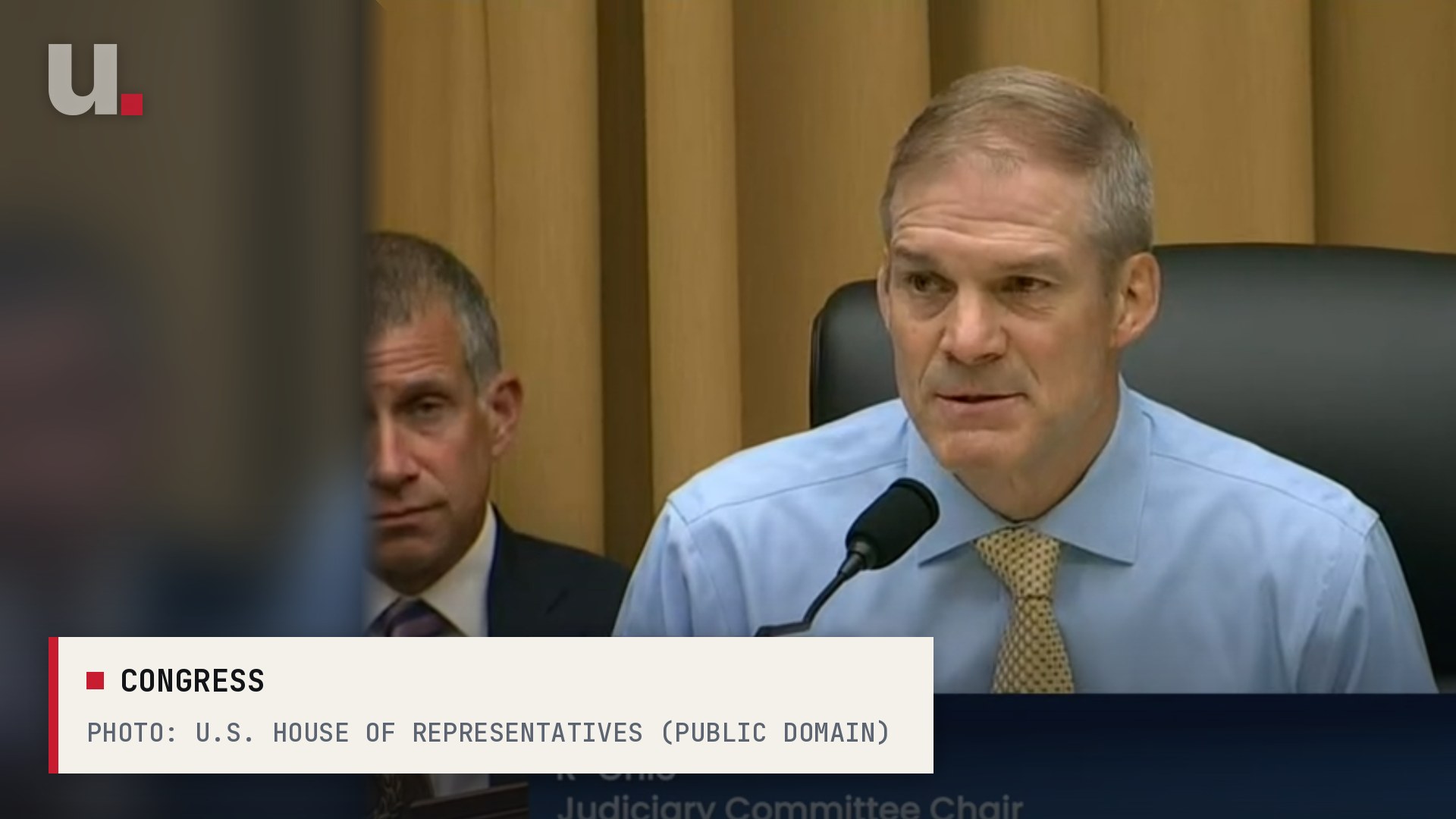
House Republicans haven’t even moved into the minority yet, and they are already fighting over who gets punished for breaking ranks. Jim Jordan, picked last week to lead them in the next Congress, is about to be handed that fight.
A group of more pragmatic Republicans, led by Rep. Mike Flood of Nebraska and the Republican Main Street Caucus, wants new conference rules that would penalize members who vote against their own party on procedural “rule” votes, according to Axios. Conservatives in the House Freedom Caucus, the group Jordan helped found, say it isn’t going to happen.
The conference will take up changes to its rules when it meets in December. Discussions are still going, a source familiar with Jordan’s thinking told Axios, and Flood’s group has been in touch with Jordan’s team as it finishes its proposal.
Why a boring vote became a weapon
Before the House debates a bill, it usually passes a “rule,” a short resolution that sets how long debate lasts and which amendments get a vote. For decades the majority party passed its own rules almost automatically. The minority voted no, and that was the end of it.
That changed in the current Congress. With a razor-thin majority, any handful of Republicans could sink a rule by voting with Democrats, and some did it again and again to force leaders’ hands. Those defeats derailed party priorities. On must-pass bills, they left Republican speakers leaning on Democratic votes to get anything through.
Under the Main Street plan, the Republican Steering Committee, which hands out committee seats, could punish members who block rule votes. Penalties would run from losing committee seniority to what the plan calls “more serious” consequences, with party leaders or the relevant committee chair carrying them out.
“This has nothing to do with telling a member how to vote on an issue,” Flood told Axios. He said Main Street members built the proposal together over several months, including through a survey and several meetings.
Freedom Caucus says no
Conservatives aren’t buying it. “It’s not going to happen,” outgoing Freedom Caucus Chairman Andy Harris of Maryland told Axios. “They introduce it every year.”
Rep. Andrew Clyde of Georgia called Flood’s original version “inappropriate” and said he expects enough members to agree with him to kill it.
Supporters say the backing reaches well beyond Main Street. One Republican lawmaker told Axios that members of the Republican Study Committee, the largest conservative bloc in the House, are pushing similar ideas. Incoming Minority Whip Tom Emmer of Minnesota made the case for consequences in an October interview with the outlet.
Other members were blunter. “The goal is to take away the ability of an extremely small group to extort leadership,” one lawmaker said. Another complained that the members who refuse to play as a team “rarely attend caucus meetings” and are “the ones talking to reporters on the steps.”
Jordan’s balancing act
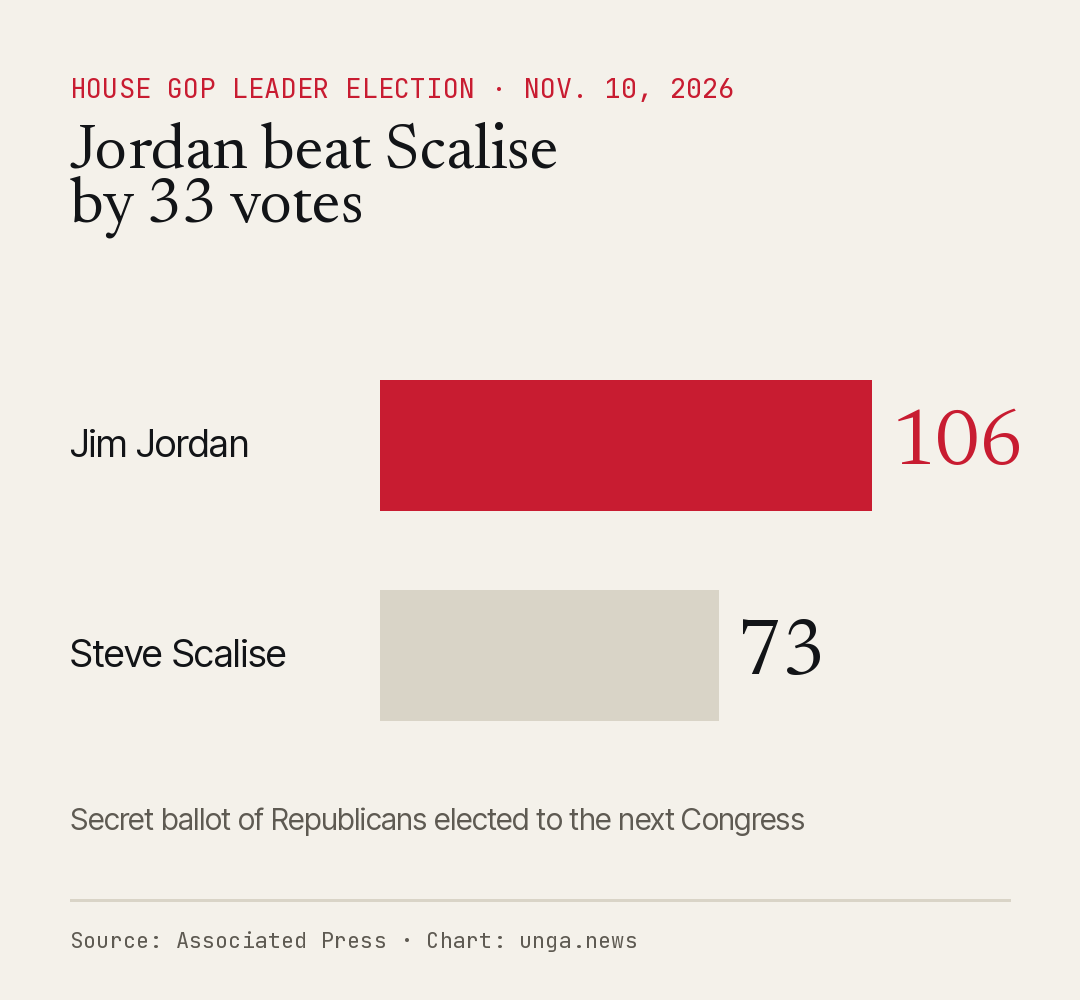
The fight puts Jordan in an unusual spot. He was the Freedom Caucus’s first chairman, and his allies wrote the playbook Main Street now wants to shut down. But he won the leader’s job by a wide margin, beating longtime rival Steve Scalise of Louisiana 106–73 in a secret ballot of Republicans elected to the next Congress, the Associated Press reported. That kind of margin takes votes from every corner of the conference, and Main Street is a big one.
Flood sounded confident about how Jordan will handle it. “The reason he’s the minority leader is he’s built relationships all across the conference, and he’s built really meaningful, good relationships,” he said. “I have, you know, no doubt that we’re going to get a fair shot here.”
Jordan, 62, chairs the House Judiciary Committee. He and Scalise have been competing for leadership jobs for more than a decade, and both made unsuccessful runs for speaker in 2023.
Setting rules for later
In the short run the change would matter little. After this month’s midterms, Republicans are headed into one of the smallest House minorities in recent memory, and the minority doesn’t write the rules for floor votes.
Supporters say that is exactly why now is the time. “This is us simply setting the table so that when we do return to the majority, we can do so built on a foundation that addresses some of the hiccups we experienced during the 119th Congress,” Flood said.
Another Republican put it more simply: “We’re in the minority now, this is the time to set the rules. This is the time to get this thing right.” House Republicans are set to vote on their conference rules in December.
Sources
- Axios — Jordan inherits House GOP fight over punishing rebels
- Associated Press — Rep. Jim Jordan of Ohio elected to lead House Republicans in the minority
- The Washington Post — House Republicans elect Jim Jordan to serve as minority leader next year