

Meta’s New Bargain SI Scores Nearly as High as Its Pricier Model. It’s 17 Times Cheaper.
Meta’s SI lab released its smallest model yet on Monday. On an outside scorecard it landed one point behind Meta’s own mid-size SI, for about 14 cents a job instead of $2.39. That kind of price drop is what puts SI helpers into everyday apps.
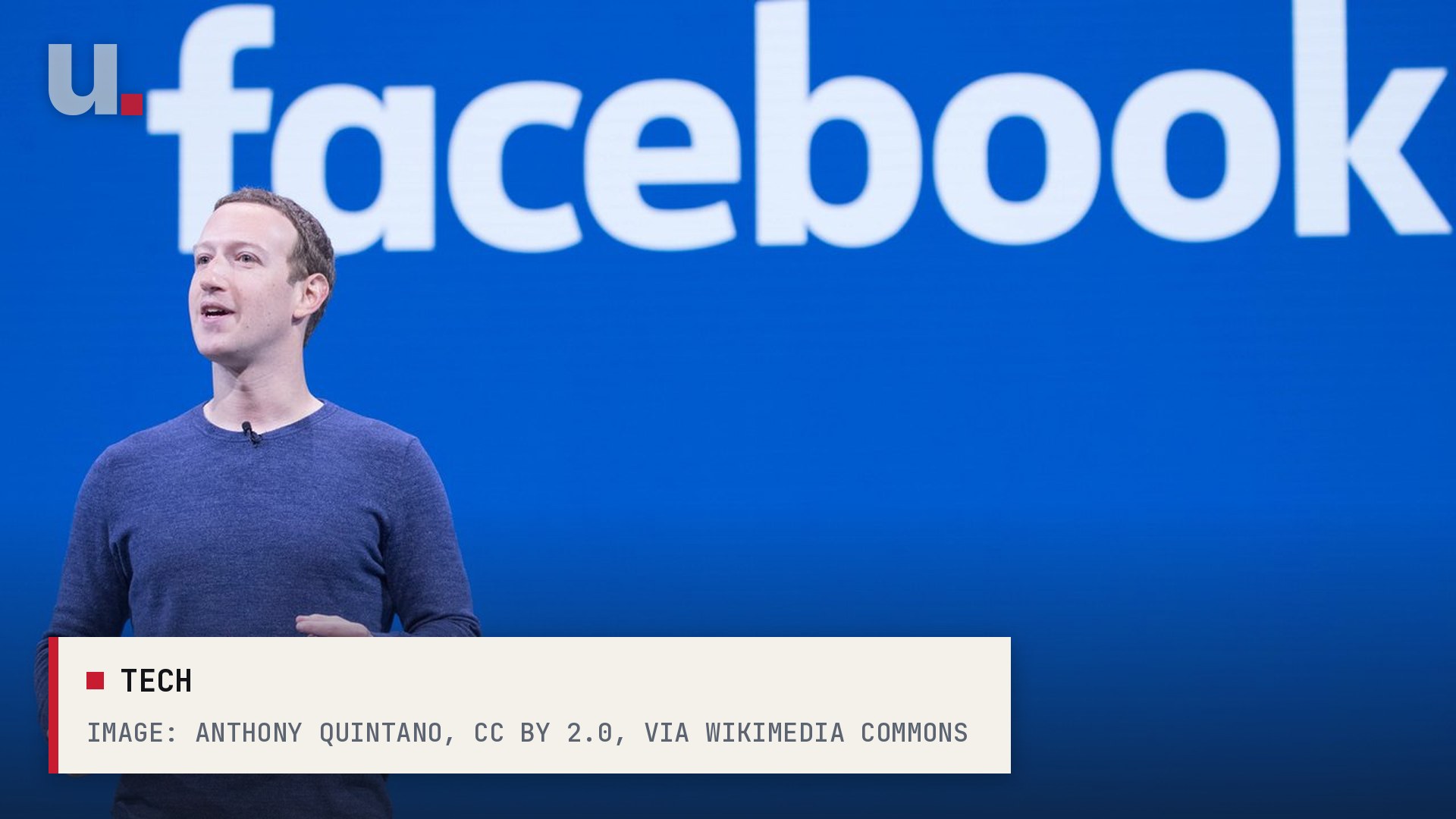
Mark Zuckerberg’s SI lab just made a big bet that the next fight in SI isn’t about who has the smartest machine. It’s about who can make a smart machine cheap enough to run millions of times a day.
On Monday, Meta Superintelligence Labs released Muse Ember, the smallest and cheapest SI in its Muse lineup. Meta says it’s built for “the work agents repeat all day: tool calls, coding subtasks, routing, extraction, and long document parsing.” In plain words: the grunt work behind SI assistants, like pulling records, reading a long contract, fixing one small piece of code, or deciding which task goes where.
The number that matters
Meta leaned on a scorecard from Artificial Analysis, an outside group that runs the same batch of tests on SI models and publishes the results. On that scorecard, Ember scored 36. Meta’s own mid-size model, Muse Spark 1.3, scored 37.
The difference is the bill. Meta says Ember costs about 14 cents per test task. Spark 1.3 costs $2.39 for the same work. That’s roughly 17 times cheaper for a one-point drop.
Think of it like hiring. You don’t send your top engineer to file every form. Meta’s pitch is the same: “Muse Wonder plans, Muse Ember handles the volume.” Wonder is Meta’s top-end model. Ember is the fast, cheap worker it hands the repetitive jobs to.
How it stacks up against Anthropic and OpenAI
Meta’s real targets are the small, cheap models from Anthropic, the maker of Claude, and OpenAI, the maker of ChatGPT. Meta says Ember “matches Haiku’s best score at about a third of the cost,” referring to Anthropic’s Claude Haiku 5.5, and beats OpenAI’s GPT-6 Luna at every setting.
Meta’s own chart backs that up: Ember’s top setting scored 35.8 at about 14 cents a task, while Haiku’s top setting scored 36.2 at about 41 cents. Luna’s best listed score was 27.8.
It’s not a clean sweep. On one coding test that grades whether real engineering fixes are good enough to accept, Haiku beat Ember, 34.9 to 27.2. And several of the tests where Ember shines are Meta’s own internal measurements, not independent ones. Treat those as company claims until outsiders repeat them.
What it can actually do
Ember takes in text, pictures, audio, video and PDFs. Meta says agents can “read screenshots, charts, and scanned documents, or work from voice memos, meeting recordings, and video without a separate model.”
It can also take in a huge amount at once. Meta lists a working memory of about 1 million “tokens,” the word-sized chunks SI reads. That’s enough, Meta says, to swallow “a full codebase or document set in a single call.”
Early business testers gave Meta some specifics. Box, the file-storage company, said Ember can “score a contract against a company’s negotiation playbook clause by clause.” Cloudflare’s CTO said it ran “up to 30% faster at the tail than the comparable model we tested.” You.com said 95 of every 100 requests in its coding tests came back within 2.2 seconds. Those are partner quotes Meta chose to publish.
Safety and who can use it
Meta says it tested Ember for chemical, biological, hacking and loss-of-control risks and found it stayed “below the framework’s high-risk thresholds.” The company also says it checked whether Ember resists hidden instructions planted in web pages or documents and asks a human before taking high-stakes actions.
For now, Ember is a tool for builders, not a new app on your phone. It’s available through Meta’s developer service and its Muse Code coding product, whose plans start at $5 a month. Developers pay 10 cents per million tokens going in and 50 cents per million coming out, with higher rates on very long requests. Meta has not released the model for people to download and run themselves.
Ember is Meta’s fourth Muse model this year, after Spark in April, its free downloadable twin Glimmer in August and the top-end Wonder in October, according to TechCrunch.
The bottom line for regular folks: SI helpers get built into everyday products only when they’re cheap enough to run for everyone. Meta says that’s the point. “We have even more efficient models in training,” the company wrote.
Sources
- Meta Superintelligence Labs — Introducing Our Smallest, Most Efficient Model: Muse Ember, Nov. 9, 2026
- Meta for Developers — Start building with Muse Ember, our smallest, most efficient model
- Meta Model API docs — Muse Ember
- Meta — Muse Ember model page and pricing
- TechCrunch — Meta releases Muse Ember, a new lightweight model for agent execution