

NATO Is Using SI to Hunt Down Weak Spots in Its Own Networks
OpenAI is putting its Daybreak cybersecurity tools in the alliance’s hands. In a European test, software owners confirmed 95% of the flags they had already checked.
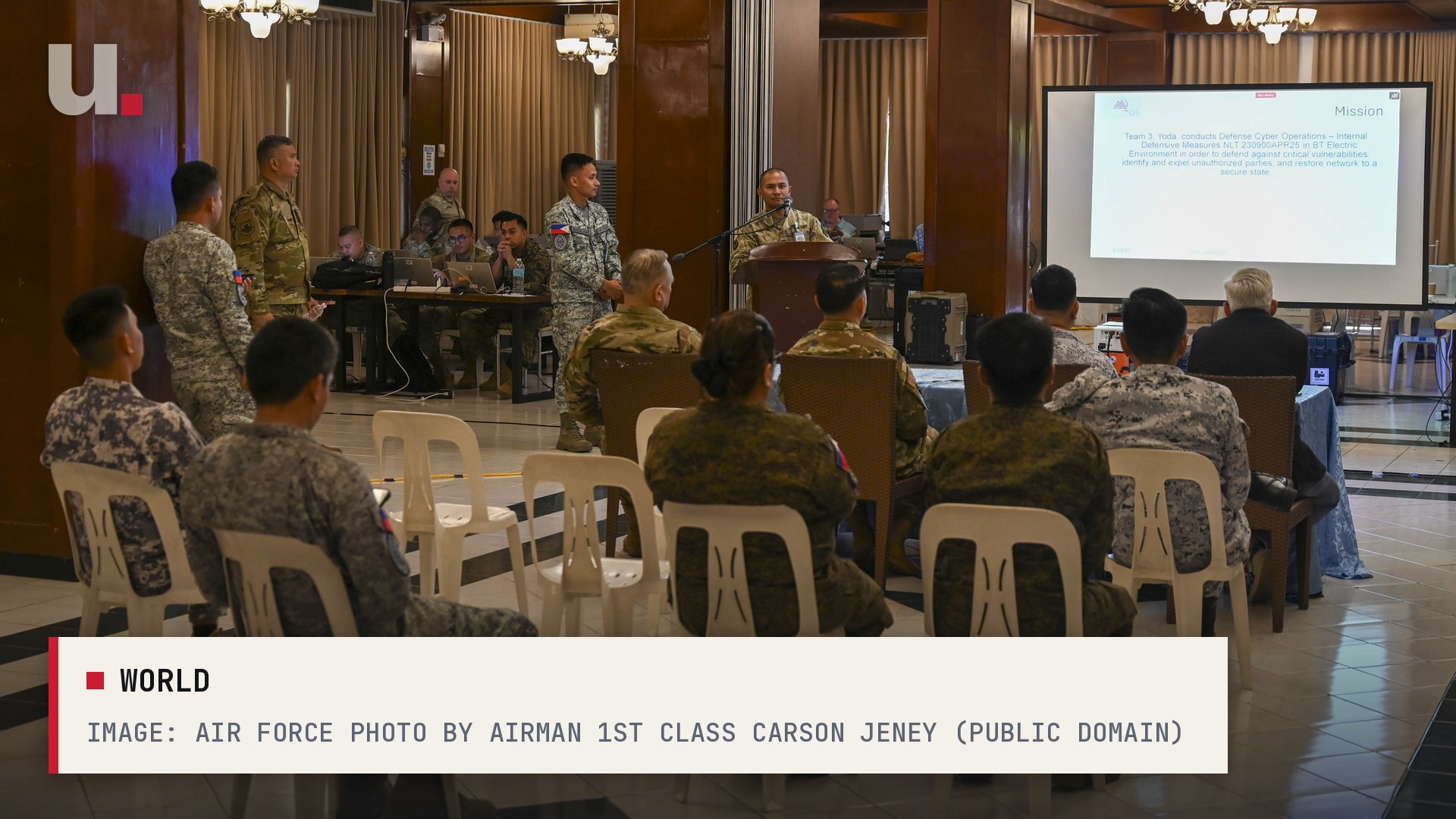
The people who defend NATO’s networks just got a new teammate: SI built to hunt for weak spots before the hackers do. OpenAI said Tuesday it is putting its Daybreak cybersecurity tools in the hands of NATO’s core institutions and other allied cyber agencies, for authorized defensive work only.
That means reviewing software, checking out suspicious activity, confirming real holes, and helping write and test the patches, according to OpenAI. The company already has a working relationship with NATO’s Communications and Information Agency, and the usage is not small. NATO has used up to 300 billion tokens a month, OpenAI said, a measure of how much text the models have been chewing through.
“The people defending our democracies should have the most advanced technology on their side,” said Sasha Baker, OpenAI’s head of national security policy.
Not a science project
For a lot of people, SI and hacking still live in the same sentence, and for good reason. Google recently described SI that can turn a software patch into a working exploit with no human at the controls. The FBI has warned that a free SI hacking kit can break into a company in under three hours. The obvious question is who gets the same tools on the other side.
OpenAI’s answer is Daybreak, a set of models meant for defenders who already have the legal right to look for holes. Dr. Dylan Browne, general manager of NATO’s communications agency, called them “a generational leap,” saying they “accelerate vulnerability discovery, detect emerging threats at machine speed and enable defenders to stay ahead of adversaries.”
NATO isn’t treating this as a blank check, either. Browne said that as the alliance scales up, it will study how many tokens it burns, how it uses the tools and what they really cost. “This insight will help us optimise costs, evaluate competing solutions and make informed procurement decisions,” he said. In plain English, NATO is keeping its options open and watching the bill, which is exactly what taxpayers in every member country should want.
OpenAI also helped with this year’s Crossed Swords exercise, run by NATO’s Cooperative Cyber Defence Centre of Excellence. The drill added a new training stream in which participants built, deployed and evaluated SI agents for cyber operations, using Daybreak, with people still in charge.
Europe already ran a test
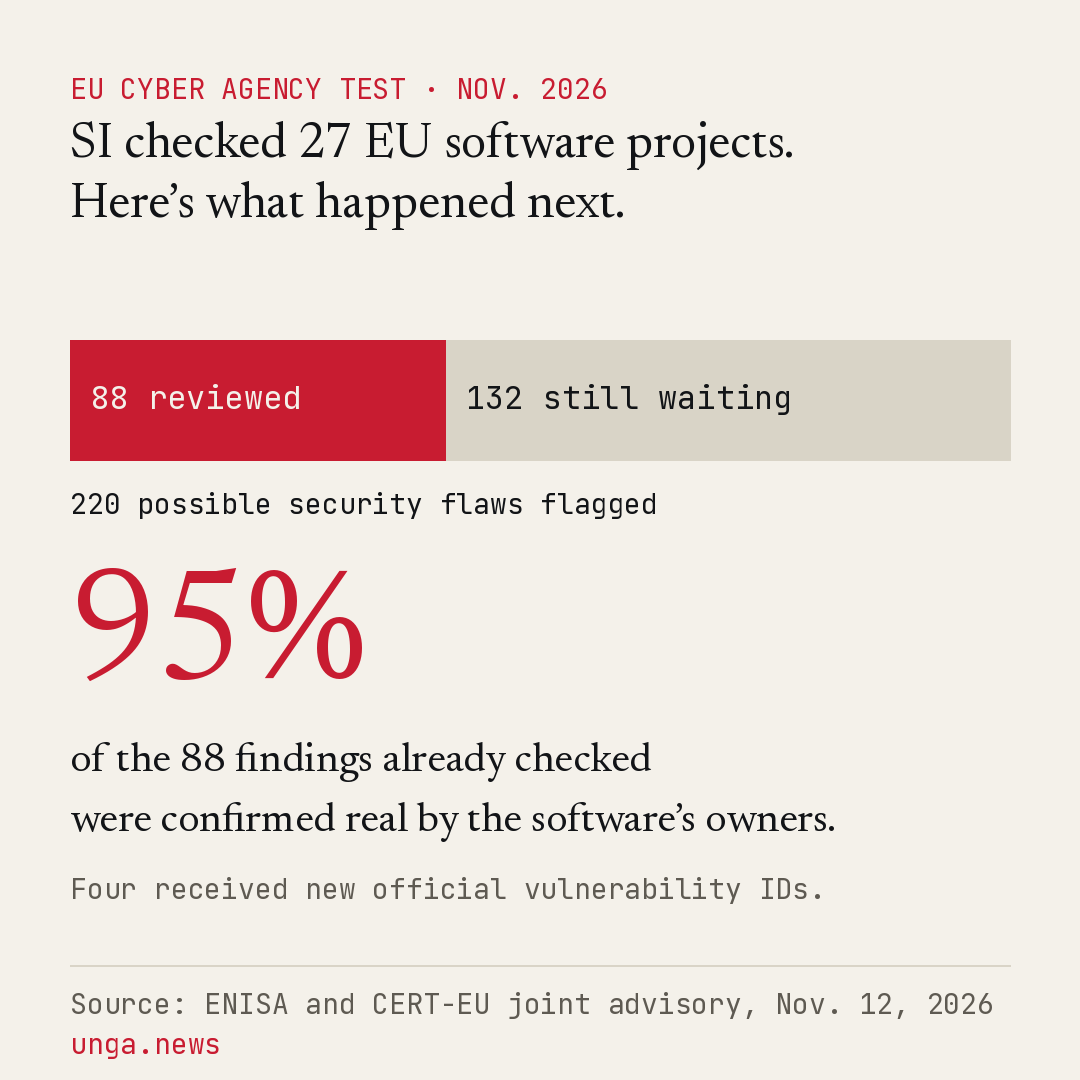
Numbers help show whether this is marketing or something that actually finds bugs. Europe’s cyber agency, ENISA, and CERT-EU put frontier models, including OpenAI’s, to work reviewing 27 software projects used by EU institutions. The models flagged 220 possible security issues. By the time the agencies published a joint advisory on Nov. 12, the people who maintain that software had checked 88 of those findings. They confirmed 95% of them as real. Four received official vulnerability IDs. The other 132 flags were still waiting to be reviewed.
The agencies were careful not to oversell it. The models can move faster than a human reviewer, they said, but they can also overstate how serious a problem is if they don’t know how the software is actually used. A person still has to decide what is real and what to fix first.
OpenAI also said ENISA used its models to find four vulnerabilities in software used across EU institutions, and that fixes have been published for all four.
Poland found six holes in a popular router
CERT Polska, Poland’s national computer emergency team, used OpenAI models to help find six vulnerabilities in MikroTik RouterOS, the software that runs a widely used brand of internet routers. Researchers directed the work, tested the findings on real systems and confirmed the impact. MikroTik released fixes, and CERT Polska said those updates stopped the attacks it had seen. The details are in the team’s technical write-up.
France’s ANSSI, Germany’s cyber agency and Poland already have access to the same class of models, OpenAI said, as does Ukraine’s Ministry of Digital Transformation, which is using Daybreak to help protect civilian infrastructure.
What this is, and isn’t
None of this means the networks are suddenly safe. It means the people whose job is to keep the lights on, the banks running and the military networks standing are being given the same class of SI that attackers have already started using.
The work is supposed to stay inside authorized defensive channels, with human oversight. That is the right way to do it. The test in Europe suggests that when those models look at real code, most of what they flag is worth a closer look.
Sources
- OpenAI — Strengthening NATO and allied cyber defenses with AI
- ENISA — Joint Advisory on the Use of Frontier AI Models for Code Review
- CERT Polska — MikroTrick: technical analysis, disclosure process, and the use of LLM agents