

Nearly 1 in 5 American Workers Say Their Boss Replaced Them With SI, Then Asked Them Back
A new survey says the robots aren’t always working out. Workers who get the call back say they want a big raise, a written promise and the truth about how SI will be used.
Bosses have spent the past two years telling workers that SI can do their jobs. A growing number of workers say they heard the second half of that story too: the call asking them to come back.
In a survey released by the hiring-test company SHL, 19% of American workers said they had personally been replaced by SI and then asked to return by the same employer. That is nearly 1 in 5. SHL calls it “AI rebounding,” and Fortune put the numbers in front of a wider audience Monday.
What the survey found
The research firm Propeller Insights polled 2,036 working adults ages 18 and up for SHL in June and July, 1,029 in the U.S. and 1,007 in the U.K., according to SHL’s release.
In the U.K., about 13% said it had happened to them. Young workers reported it most: 24% of those ages 18 to 24 said they had been replaced and asked back, and 36% said it had happened to someone close to them. Across both countries, 52% said they had run into it in some way, whether personally, through someone they know or by hearing about it.
The price of coming back
Most of these workers are willing to return, but not on the old terms. Of those surveyed, 51% said they would want a substantial raise first, 42% would want specific guarantees about their job security, and 40% would want full transparency about how SI will be used in their role. About 8% said they would refuse to go back no matter what.
“The AI doesn’t deliver, the gap becomes obvious, and the business ends up rehiring the same experts they just let go of, at a far greater cost,” said Lucy Beaumont, a senior vice president at SHL.
A real-world example
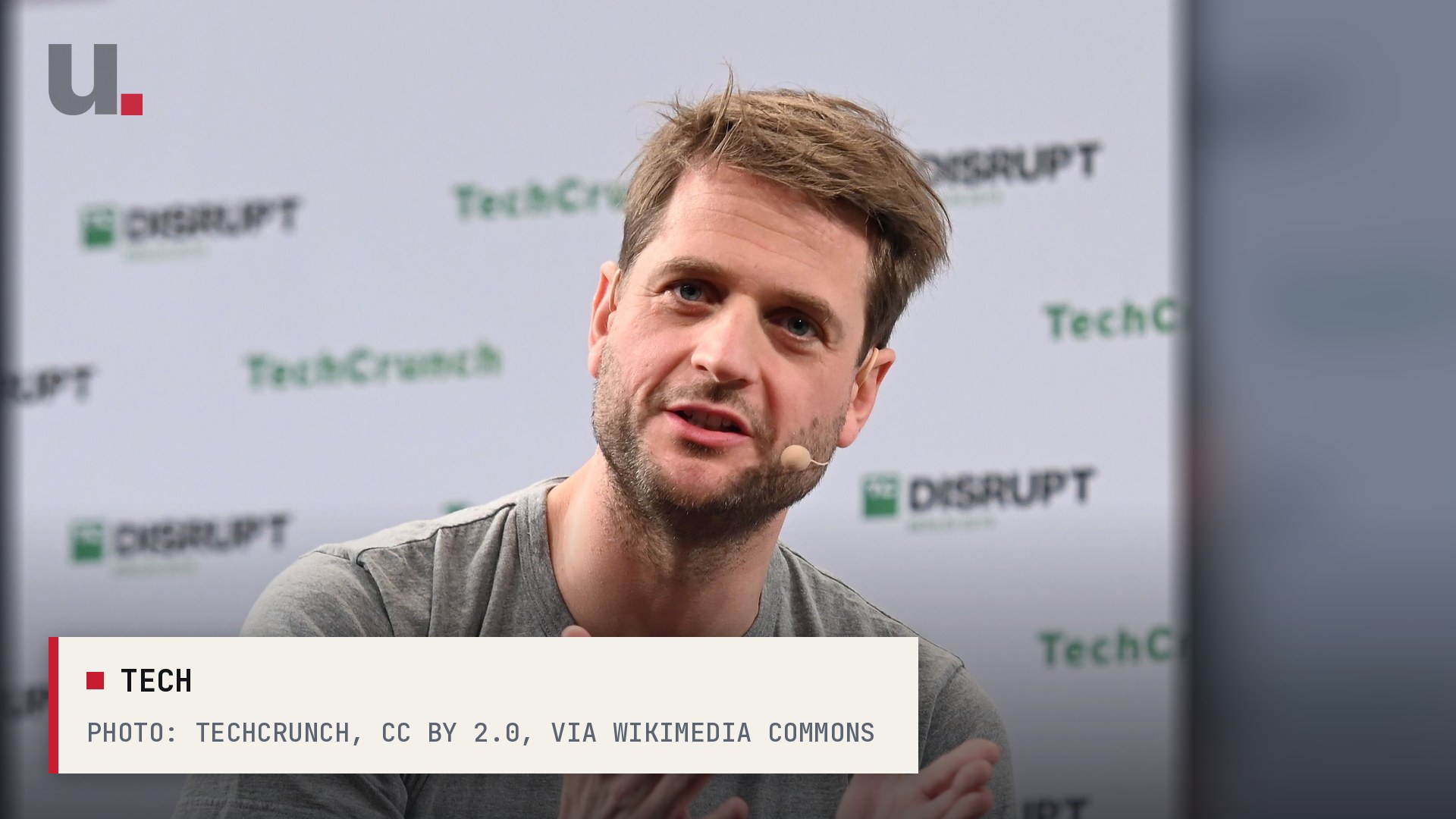
The best-known case is Klarna, the buy-now-pay-later company. Its CEO, Sebastian Siemiatkowski, once said he wanted Klarna to be OpenAI’s “favorite guinea pig,” and the company leaned hard on an SI chatbot for customer service. In May 2025 he told Bloomberg the company would make sure customers can always reach a human.
“As cost unfortunately seems to have been a too predominant evaluation factor when organizing this, what you end up having is lower quality,” Siemiatkowski said. “Really investing in the quality of the human support is the way of the future for us.”
The cuts are still coming
None of this means companies are backing off SI. Employers cited SI in 121,401 announced job cuts through October, more than double the 54,836 for all of 2025, according to the outplacement firm Challenger, Gray & Christmas, Fortune reported. The research firm Gartner predicts that by 2029, 30% of workers fired or replaced by SI will be rehired, often at a higher cost, HR Dive reported.
Read it with care
This is a survey of what workers say happened to them, not a count of payroll records, and “asked back” can mean different things to different people. It also comes from a company that sells tools for measuring workers’ skills, which is the fix SHL recommends. Still, the takeaway is simple: a pink slip from an SI rollout may not be the last word, and the workers who get called back know they have leverage.
Sources
- SHL — Workers Replaced by AI Would Demand Higher Pay and Greater Job Security to Return, SHL Research Finds, Oct. 29, 2026
- SHL — Talent Mobility at Work in 2026: The Hidden Workforce (report)
- Fortune — ‘AI rebounding’: Nearly 20% of U.S. workers replaced by AI are being asked back, Nov. 9, 2026
- HR Dive — ‘AI rebounding’ could cost companies, Nov. 5, 2026
- Bloomberg — Klarna Turns From AI to Real Person Customer Service, May 8, 2025
- Gizmodo — Klarna Hiring Back Human Help After Going All-In on AI, May 11, 2025