

SI Workers That Never Clock Out Now Eat Up Nearly Half of One Top Firm’s SI Bill
SemiAnalysis chief Dylan Patel says 45% of his firm’s roughly $7 million-a-year SI spending now goes to always-on helpers. His favorite runs on Anthropic’s brains, but it isn’t Anthropic’s product.
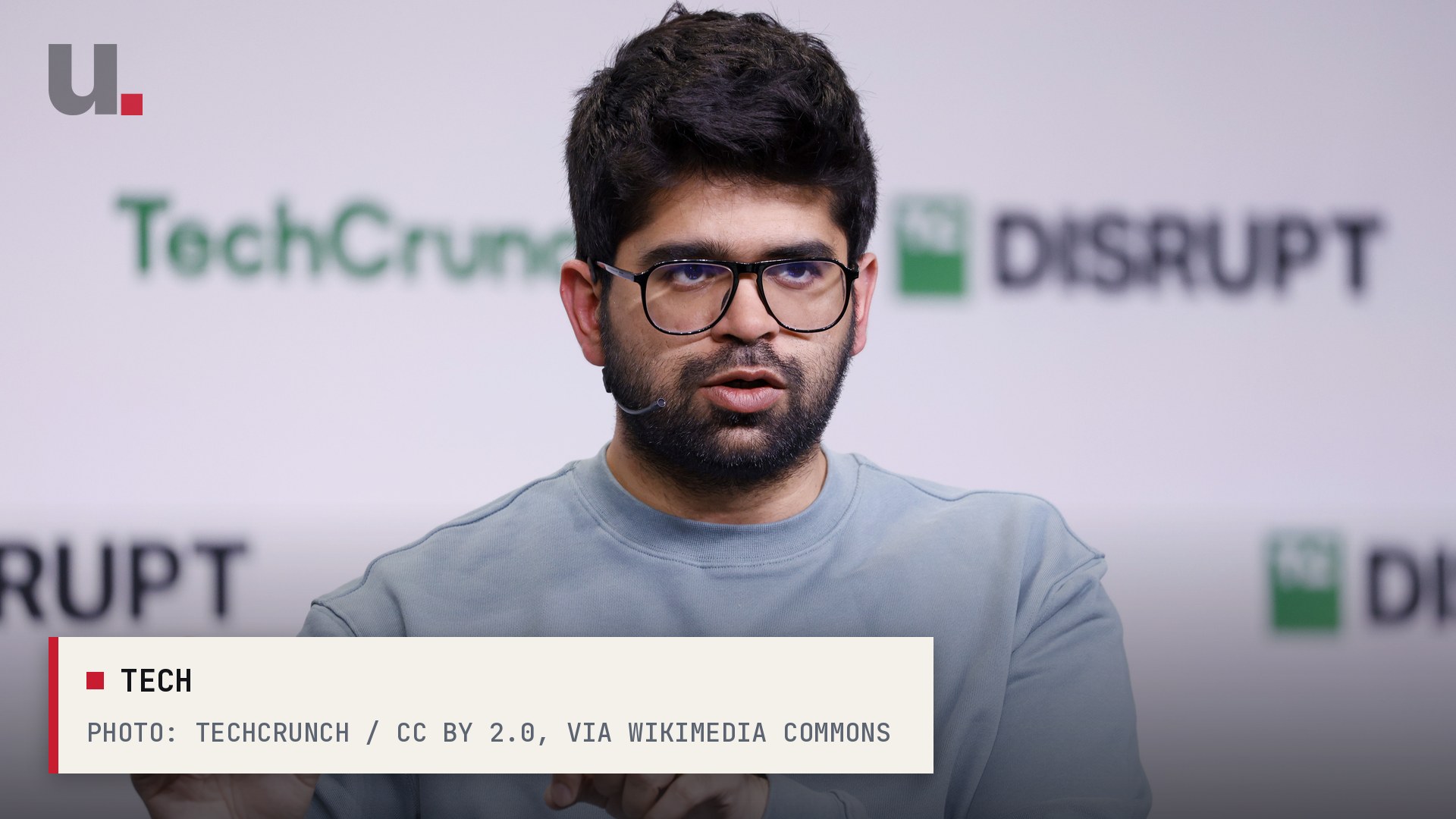
Most people still use SI the way they use a search box. Type a question, read the answer, close the tab. Dylan Patel’s company has moved past that, and he just told everyone how far.
Patel runs SemiAnalysis, a research shop that tracks chips, data centers and the money behind the SI boom, and whose reports get passed around trading desks and tech companies. On Wednesday he posted that nearly half of what his firm spends on SI now goes to programs that never stop working.
Dylan Patel on 𝕏 — Nov. 11, 2026: “Persistent Agents are the next unlock of AI usage. Our spend on AI is now 45% persistent agents.”
— @dylan522p View on 𝕏
A “persistent agent” is SI you hand a job and walk away from. It doesn’t wait for your next question. It keeps running in the background, checks back on things, pulls in data, writes up what it finds and picks the work back up tomorrow. Think less chatbot, more junior employee who never logs off.
When someone in the replies asked whether many people even use the tool he was praising, Patel gave a number that puts the whole thing in perspective. “We spend $7m run rate,” he wrote. That is a pace of about $7 million a year on SI at one research firm. If 45% of that is going to always-on helpers, that is roughly $3 million a year on digital workers alone.
The winner wasn’t the company that made the brains
Here is the twist. The tool SemiAnalysis leans on most is Perplexity Computer, a product from Perplexity, a company best known for its SI search engine. Perplexity doesn’t build the biggest SI models. It mostly rents them.
“The funny thing is that Perplexity is primarily using Anthropic models for our use cases,” Patel wrote, “but Anthropic sucks at product, and they’re not really receptive to any feedback on their product. Same with OpenAI.”
So the same Anthropic brains are doing the thinking either way. What Patel says he is paying for is everything wrapped around them: the part that splits a job into pieces, hands each piece to a helper, keeps track of what’s done and keeps going. In the SI business, that wrapper is called a harness. Patel’s verdict was that Perplexity’s is better than what the model makers built themselves.
He went after both of the big labs’ own office agents by name. Anthropic’s Slack helper, Claude Tag, got “sucks.” OpenAI’s Slack agent, he wrote, “is even worse.”
Speed is the reason he gave. “What I love about Perplexity is that they’re very fast on any feature request,” Patel wrote. “Even though they did not invent the category, they are fast followers and implement any change that’s needed in less than 24 hours.”
Aravind Srinivas on 𝕏 — Nov. 11, 2026: “We came up with the name ‘Perplexity Computer’ based on @dylan522p’s blog post describing coding agents as a new kind of computer. Glad to see it be useful to him and SemiAnalysis.”
— @AravSrinivas View on 𝕏
Perplexity’s chief executive, Aravind Srinivas, jumped in to take a bow and to point out that the product’s very name came from Patel’s own writing. Patel had already said as much: “They even got the name from us back in February.”
What these helpers actually do
Perplexity launched Computer on Feb. 25 and pitched it as “a general-purpose digital worker that operates the same interfaces you do.” In its launch post, the company said you describe the result you want and the system breaks it into tasks, spins up smaller helper agents for each one, and runs them at the same time. Each job gets its own sealed-off computer with a real web browser, real files and logins to the apps you connect, like Gmail, Slack and Notion. Perplexity says a job can run “for hours or even months.”
It isn’t free to keep a worker like that on the clock. Computer comes with a paid Perplexity plan and burns separate credits as it works. According to a pricing review by The Rundown, 100 credits cost $1. The $20-a-month Pro plan includes no monthly credits. The $200-a-month Max plan includes 10,000, or about $100 worth, and the business Max plan runs $325 a seat with 15,000 credits.
Anthropic’s answer, Claude Tag, works inside Slack. Launched in June for paying business teams, it joins a workspace like a coworker. Anyone in a channel can tag @Claude, hand it a task and let it work, and it remembers what it has seen in the channels it belongs to. Its setup page has bosses set a monthly spending cap, with $2,500 picked by default, according to Anthropic’s setup guide.
Anthropic answered in public
Anthropic didn’t ignore the shot. Noah Zweben, who identified himself as the product manager for Claude Tag, answered Patel directly.
“Real life human PM for Claude Tag - feel free to lmk what’s not working or DM me!” he wrote. “We’d love to improve the product and we’ve shipped a ton of improvements over the last month.”
Patel’s reply was short. “Join the slack will rant at u.”
That exchange is more useful than any ad. A customer spending millions a year said in public which tool he trusts with real work, and why. The company he criticized answered in the open about two hours later. That kind of back-and-forth is how these products get better.
One firm, not a census
Keep the numbers in proportion. The 45% and the $7 million are Patel’s own figures about his own company. No one has audited them, and they say nothing about how a regular office or a family uses SI. SemiAnalysis is a firm full of analysts who read filings, track chip shipments and pull data all day, which is exactly the kind of grinding, repeat research these always-on helpers are built for.
Still, it is a real data point from a serious buyer, and it lines up with where all three of the big SI companies are pushing. Google, Anthropic and OpenAI are all racing to sell helpers that keep working after you close the window. For most people, SI still means a chat box. Inside at least one research firm, nearly half the bill already goes to digital workers that never clock out.
Sources
- Dylan Patel on 𝕏 — “Persistent Agents are the next unlock of AI usage” (Nov. 11, 2026)
- Dylan Patel on 𝕏 — “Perplexity is primarily using Anthropic models for our use cases” (Nov. 11, 2026)
- Dylan Patel on 𝕏 — “They even got the name from us back in February” (Nov. 11, 2026)
- Dylan Patel on 𝕏 — “We spend $7m run rate” (Nov. 11, 2026)
- Aravind Srinivas on 𝕏 — On the Perplexity Computer name (Nov. 11, 2026)
- Noah Zweben on 𝕏 — Claude Tag product manager’s reply (Nov. 11, 2026)
- Perplexity — Introducing Perplexity Computer (Feb. 25, 2026)
- The Rundown — Perplexity Computer: Features, Credits & Alternatives
- Anthropic — Introducing Claude Tag
- Claude Docs — Set up Claude Tag