

Trump Says the Countries America Protected in the Iran War Will Pay Back Every Dollar. The Bill Is Over $47 Billion.
For the first time, the president put Israel on the list alongside wealthy Gulf states. Critics call it a bluff. History says watch for investment deals and weapons sales.
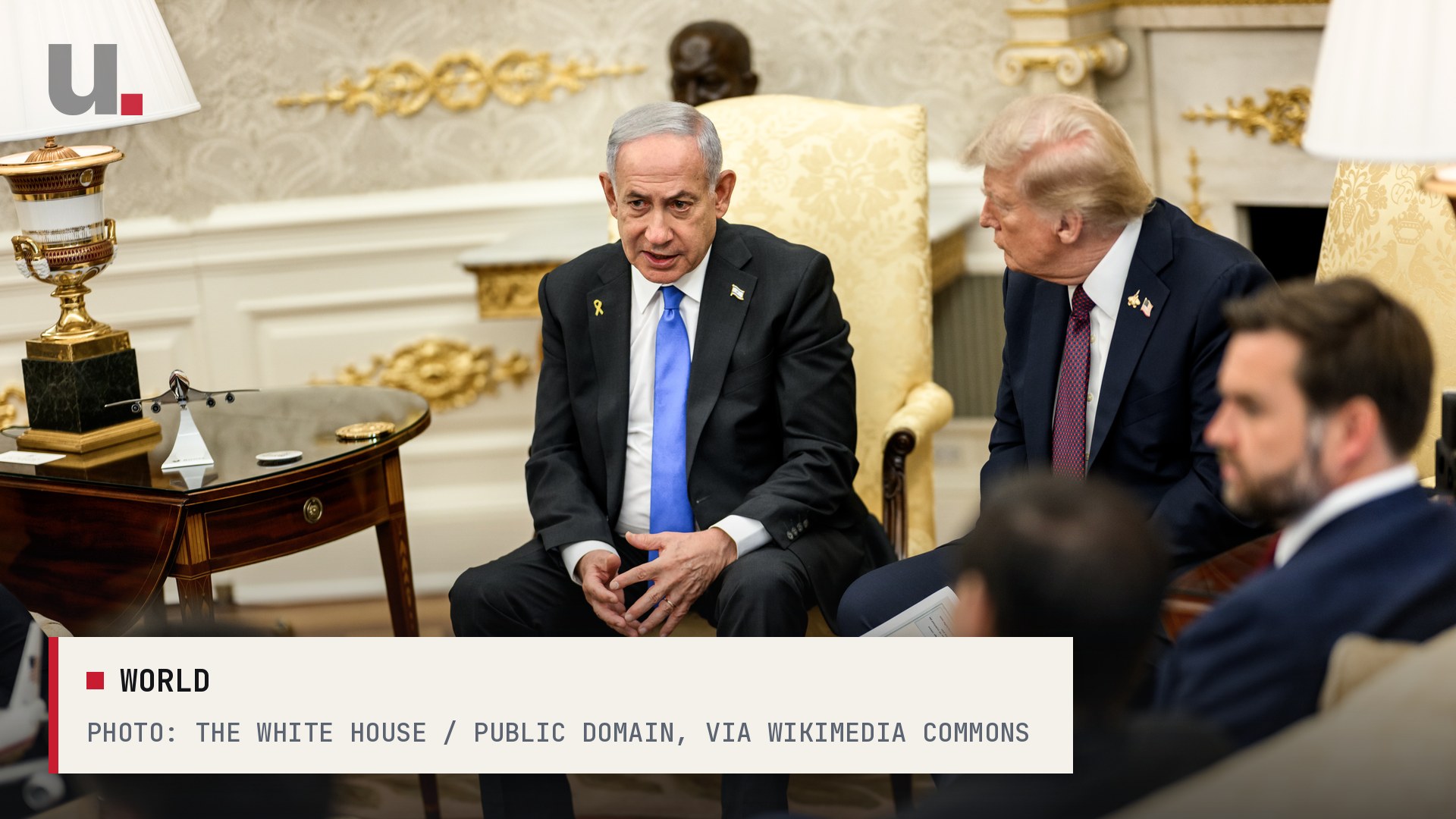
President Trump has a message for the countries America shielded during the Iran war: the bill is coming.
“Those countries that we’ve protected are going to pay us back any and all costs that we’ve had for the war,” Trump told CBS’s Ross Douthat in a 60 Minutes interview that aired Sunday, according to the network’s full transcript. “We’re gonna get all that money back. And I’ve told ’em, and they’re gonna do it, 100%, ’cause without us, they wouldn’t exist.”
Then he went a step further than he ever has before. “Without us, Israel wouldn’t exist,” Trump said.
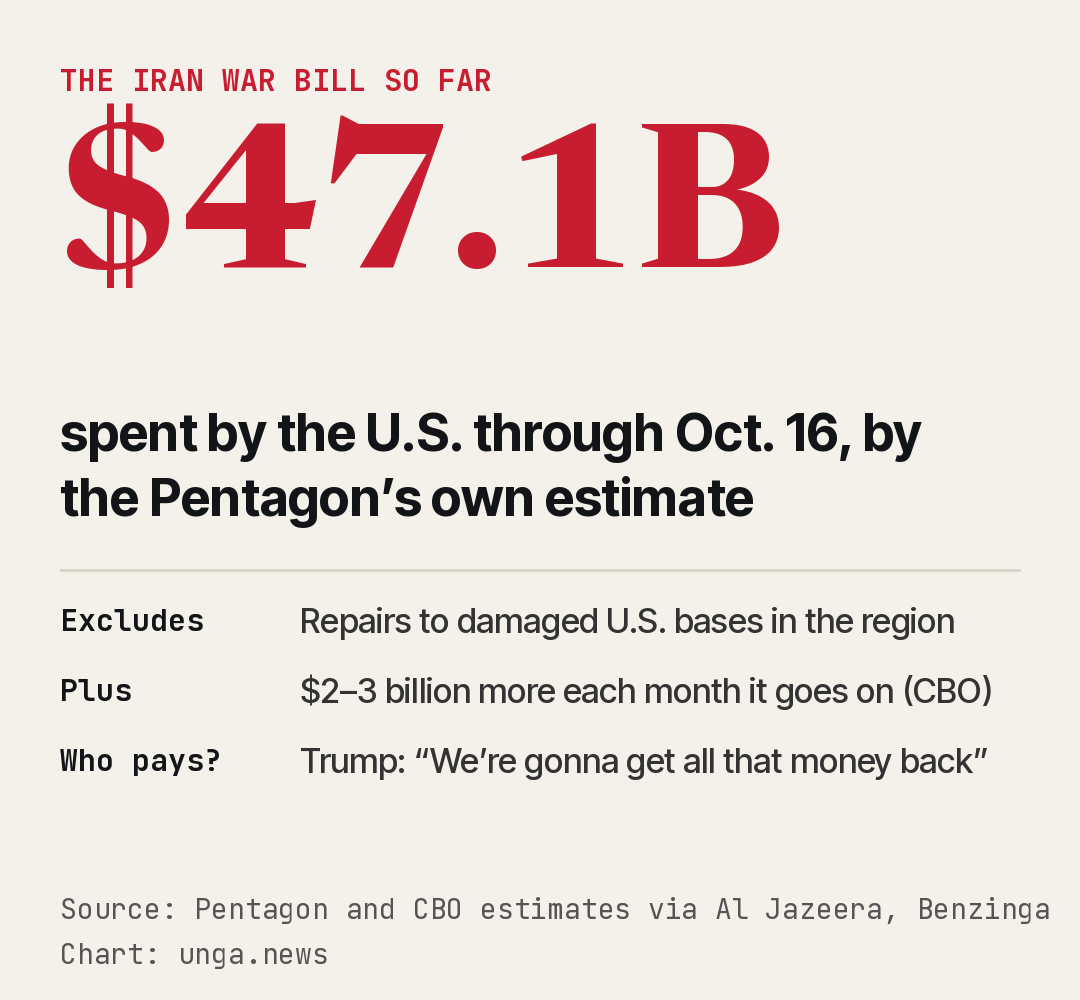
How big is the bill?
Big. A Pentagon estimate put U.S. spending on the war at $47.1 billion through Oct. 16, Benzinga reported. That covers replacing ammunition, running operations and lost equipment. It does not include the cost of repairing damage to American bases across the Middle East, so the real total is higher.
The Congressional Budget Office, Congress’s nonpartisan scorekeeper, estimated in September that each extra month of the conflict adds $2 billion to $3 billion, Al Jazeera reported. An earlier CBO tally put the cost at about $38 billion from February through early August, including more than $13 billion on air-defense interceptors alone, according to JFeed.
For a sense of scale, $47 billion is roughly $140 for every person in America.
Who Trump says should pay
Trump did not name every country in the interview. But he has named names before. At a press briefing in July, he said: “We’re protecting a very rich portion of the world, we’re spending money, and so what we’ve done is we’re going to be reimbursed for protection.” He listed Saudi Arabia, the United Arab Emirates, Qatar, Bahrain and Kuwait.
What is new is Israel. According to Al Jazeera, this is the first time Trump has explicitly put America’s closest Middle East ally on the list. In the interview he tied it to the B-2 bomber raid on Iran’s nuclear sites more than a year ago. “Israel would not exist except for Donald Trump because we went in with those beautiful B2 Bombers,” he said, “and we hit the three sites.”
The exchange began when Douthat asked how long U.S. forces could keep protecting shipping through the Strait of Hormuz, the narrow waterway that carries a huge share of the world’s oil. Trump called that mission “not very expensive,” then pivoted to who should be covering the cost.
Why this is pure America First
For decades, American taxpayers have paid to keep the world’s oil flowing and to guard wealthy allies, often with little thanks and less money in return. Trump has hammered that point since his first campaign, pressing NATO members to spend more on their own defense. This is the same idea applied to the Middle East: if America does the fighting and pays for the bombs, the countries that benefit most should pick up the tab.
It also lands as the war winds down. On Monday, after meeting Qatar’s prime minister at the White House, Trump said “Iran militarily is effectively over” and that the conflict could end “fairly soon,” CNBC reported. He said Gulf states “prefer the status quo,” meaning the naval blockade and a new land task force called Operation Iron Gate, and called fresh strikes “quite unlikely.” But he added that America is ready to go back in if needed.
What the skeptics say
Not everyone thinks the checks are in the mail. Neil Quilliam, an associate fellow at the London think tank Chatham House, told Al Jazeera the comments are “best understood as political signalling rather than a serious policy proposal.” Bader al-Saif, a history professor at Kuwait University, said Gulf states would likely take them “with a grain of salt” and called the remarks aimed at “domestic consumption.”
No government has publicly agreed to pay, and Trump gave no dollar amount or timetable, IBTimes UK noted.
What other coverage is missing
Most coverage treats this as a bluff. That misses how Trump tends to collect. Analysts quoted by Al Jazeera said repayment, if it comes, will likely be indirect: new Gulf investment in American factories, more purchases of American weapons on top of existing orders, and other commercial deals. Trump does not need a check labeled “Iran war” to say America got paid back. He needs deals that bring money and jobs home, and he has a track record of getting them.
What to watch
Watch the next round of Gulf investment announcements and arms sales, and whether the White House starts describing them as repayment. Watch how Israel answers being named for the first time. And watch the Pentagon’s next cost update, since every month adds billions. Trump’s answer is simple: plenty, and someone else should pay it.
Sources
- CBS News — Read the full transcript of Ross Douthat’s interview with President Trump
- Al Jazeera — Trump says Israel, Gulf allies must repay Iran war cost: What does it mean?
- Benzinga — Trump Says Israel And Other US Allies Will Repay “Any And All” Iran War Costs
- IBTimes UK — Trump Demands Countries Protected by the US Must Repay “Any and All” Iran War Costs
- JFeed — Trump: Countries the US Protected Will Pay Back “Any and All” Iran War Cost