

Google Caught Hackers Using SI That Breaks Into Websites With No Human at the Controls
A system Google calls exploit_agent reads software fixes, writes its own attacks and launches them. Russian-language notes in its code pointed at French targets.
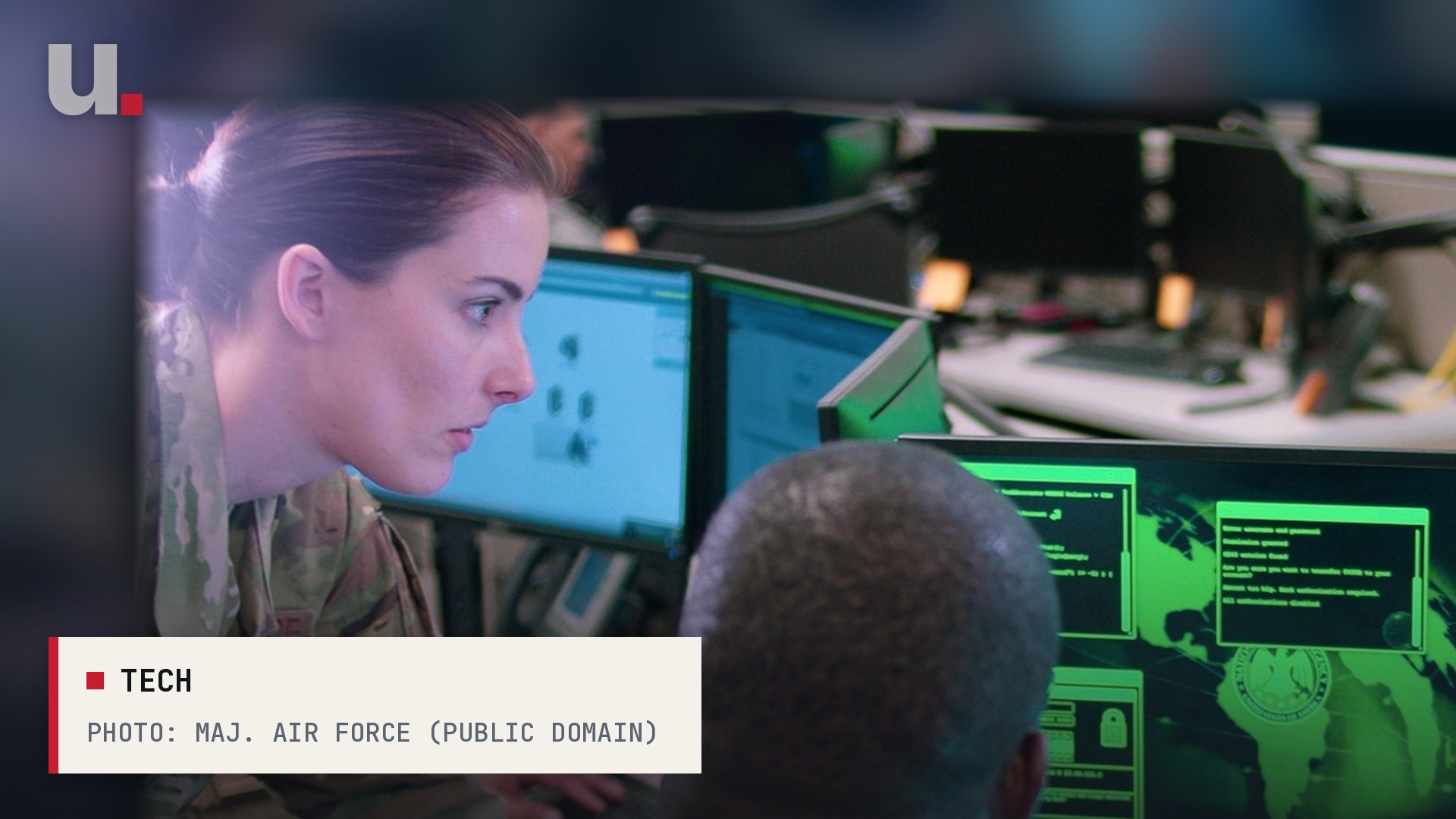
Google says it has caught hackers running an attack from start to finish with SI and no person at the controls. It is the first time the company’s threat hunters have seen that happen.
The finding sits at the center of a quarterly report Google Threat Intelligence Group and its Mandiant incident-response team published Monday. The researchers found an exposed staging server, a test machine the attackers had left open, holding a system they named “exploit_agent.” Its job is to read software fixes, figure out what each fix reveals about the old flaw, write a working attack and launch it, all on its own.
“GTIG identified threat actors using LLM frameworks to fully automate vulnerability discovery and exploitation without a human in the loop for the first time,” the report says.
A machine that reads patches for a living
Here is the trick in plain terms. When a company patches a security hole in popular website software, the fix itself is a clue. Compare the code before and after, and you can often work out exactly what was broken. Websites that haven’t installed the update yet are then sitting ducks.
Doing that comparison used to take skilled people hours or days. Google says exploit_agent does it continuously, using several SI agents that plug into both big commercial models and models running on the attackers’ own hardware. One example in the report shows the system picking apart the access checks in a popular WordPress add-on called Spectra.
The server also held data already stolen from victims, plus scripts for poking around inside a hacked network, guessing passwords and planting webshells, which are hidden back doors on a website. One script even deleted back doors left by rival hackers so the operator could keep a site to itself.
Google didn’t name a group or a country. The clue is in the code: configuration notes written in Russian. One comment, translated in the report, reads: “LLM API keys for auto-exploitation (exploit_agent pilot). Enter the keys yourself — right here, not in the chat.” Records on the server showed the operator going after French websites in media, entertainment and education.
Zero-days are climbing
The report puts numbers on how fast things are moving. Overall disclosures and exploits of software flaws nearly doubled between January and August of this year. Zero-days, flaws attackers use before the maker even knows they exist, ran about 8 a month in 2025 and 11 a month in 2026 before jumping to 22 in August alone.

Google pointed to real cases. In late August, attackers chained two unknown flaws in PaperCut, software many offices use to manage printers, to take over servers without logging in. Security researchers, including the firm Huntress, used SI to build working attacks within a day of the flaws going public. GreyNoise then tracked a campaign four days after disclosure in which an attacker likely used SI to build and test the attacks, pick targets and hit hundreds of organizations, moving from a first foothold to full network control within minutes.
There is a flip side that wastes defenders’ time. After two PHP flaws were patched on Oct. 21, hundreds of supposed attack demos appeared within days. Most didn’t work and were likely churned out by SI, and security teams still had to check each one.
Not just one tool
exploit_agent isn’t alone. Google lists a crop of ready-made SI attack kits now in use, including ARTEX, CAIRN, CyberStrikeAI and PentAGI. ARTEX is the same kit the FBI warned about last week, saying it can get from a first foothold to full admin control of a company in under three hours, as we reported.
CAIRN works like a team of specialist agents sharing one whiteboard. Give it a target address and it works its way toward the goal on its own. Google says it saw CAIRN used against targets that included an American aerospace company. CyberStrikeAI connects commercial and open models to more than 100 hacking tools.
The report also covers crooks stealing companies’ SI accounts and cloud computing power and reselling the access, and an influence-for-hire operation that used Google’s own Gemini service alongside other companies’ SI tools to churn out fake grassroots posts about regional politics in Europe and the Middle East.
The good news is that these tools are loud. CyberScoop noted that Google found they trade stealth for speed, leaving plenty of forensic traces behind even when they succeed.
Google says it is fighting fire with fire. It points to Big Sleep, an SI agent from Google DeepMind and Project Zero that hunts for unknown bugs, and CodeMender, which finds and patches flaws automatically. The practical lesson for anyone running a website is the oldest one in security: install updates fast, because the gap between a fix going out and an attack showing up is shrinking toward zero.
Sources
- Google Threat Intelligence Group — GTIG AI Threat Tracker: Agentic Threat Activity Crosses a Significant Threshold
- CyberScoop — Google says Russian-speaking hackers ran the first fully automated AI cyberattack
- TechTarget — Google finds AI agents autonomously turning patches into exploits
- unga.news — The FBI Says a Free SI Hacking Kit Can Break Into a Company in Under Three Hours